

Moving Walk
BST Moving Walk
Effortless Flow, Every Step Of The Way








Why Choose a Moving Walk Manufacturer in China
A moving walk manufacturer in China builds passenger conveyors that keep airports, supermarkets and transit hubs flowing. BST Express offers flat and inclined moving walks with pallet or belt options sized to your traffic pattern.
When you source from a moving walk manufacturer in China directly, the factory confirms inclination, width and length against your building drawings and handles every export document with the shipment.
See how BST Express builds it – video factory tour | full buying guide | get a factory-direct quotation
One Smooth Belt For The Modern Building
BST Express moving walks carry passengers and luggage trolleys effortlessly through airports, supermarkets, exhibition halls and transit stations. With a continuous flat pallet surface, they suit passengers with trolleys, prams and wheelchairs far better than stairs – keeping traffic moving steadily and comfortably, with no step to climb.
Carry More, Carry Easier
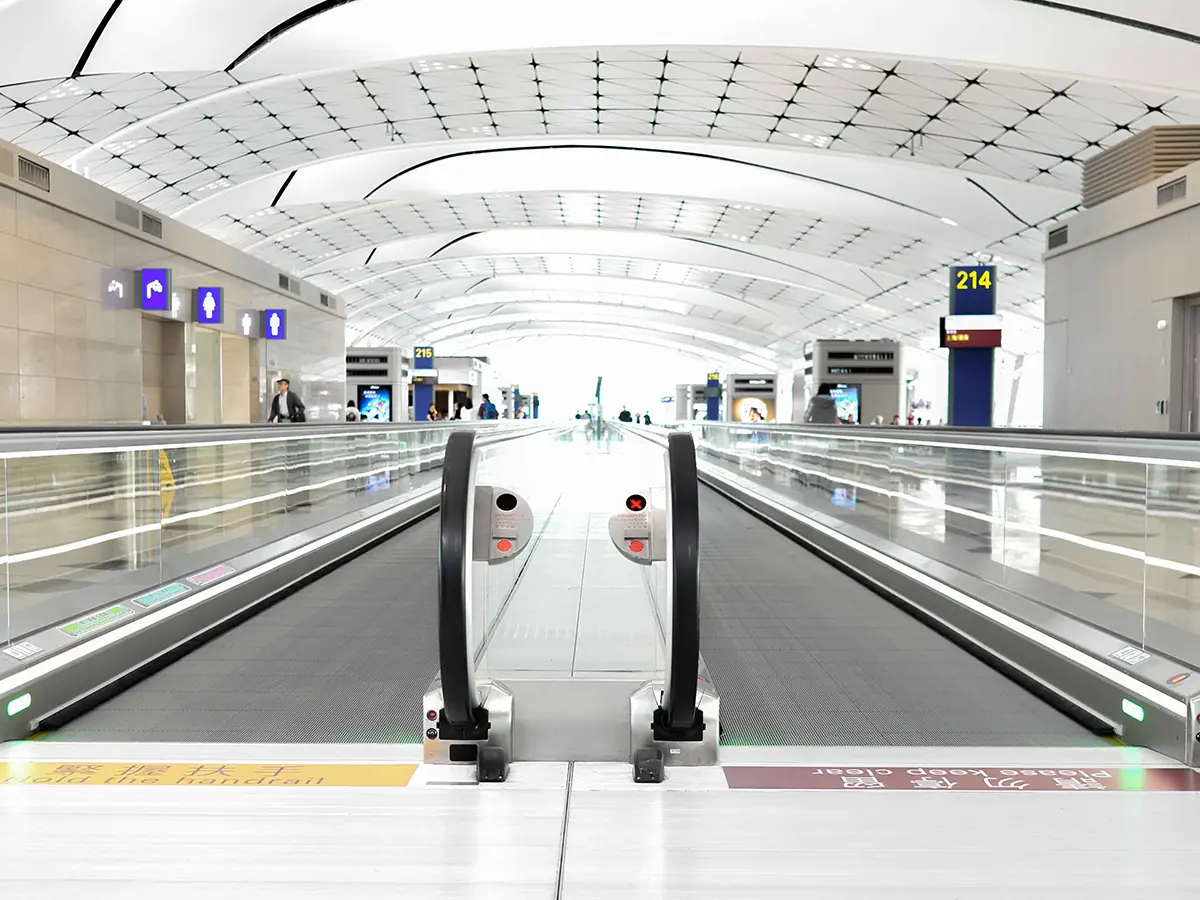
BST moving walks move passengers and their luggage with a smooth, continuous pallet surface – no steps, no waiting gaps. Shoppers with trolleys, travellers with suitcases and passengers with prams all step on and off with total ease, keeping corridors flowing even during peak hours.
 Flat Moving Walk
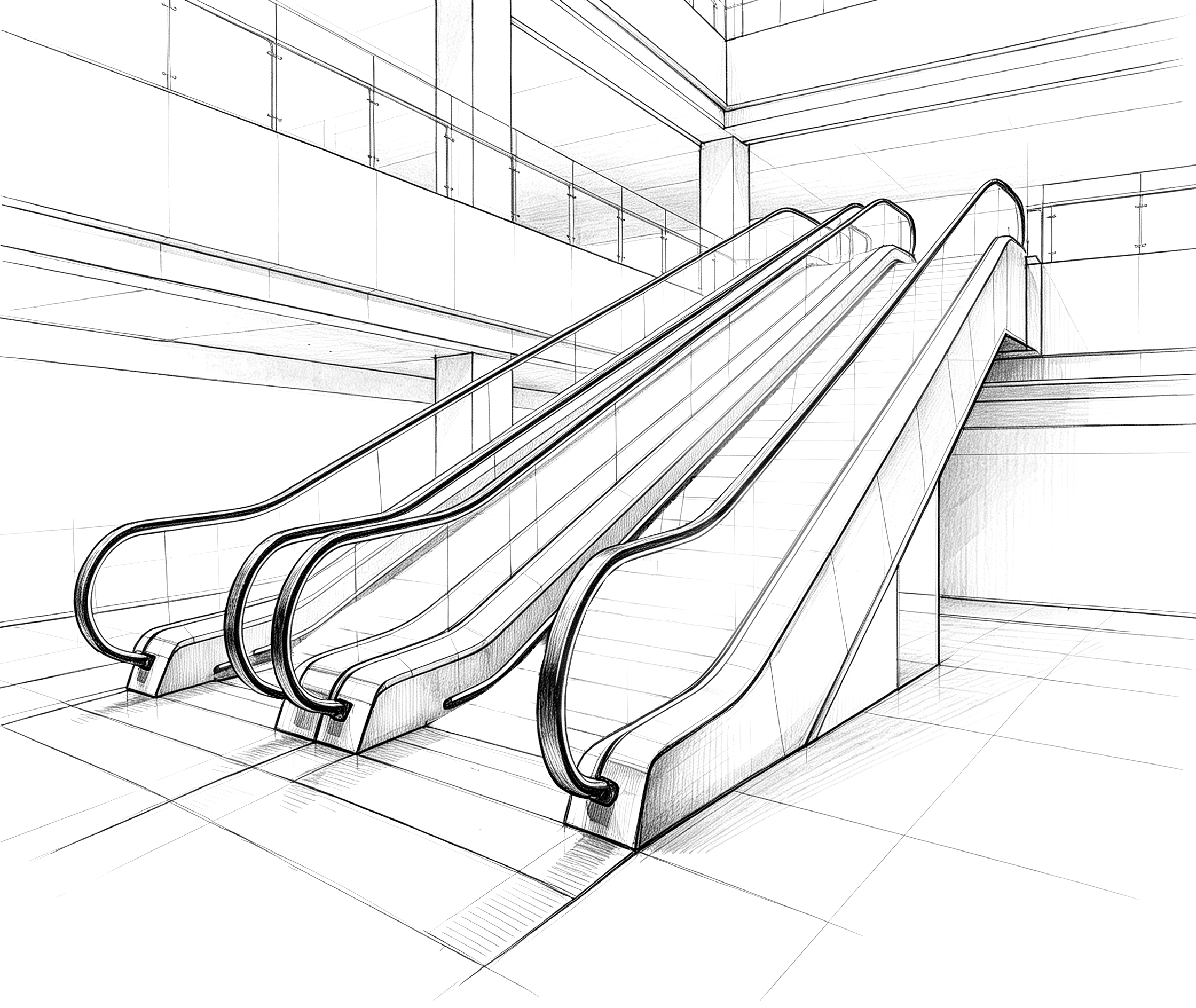 Inclined Moving Walk
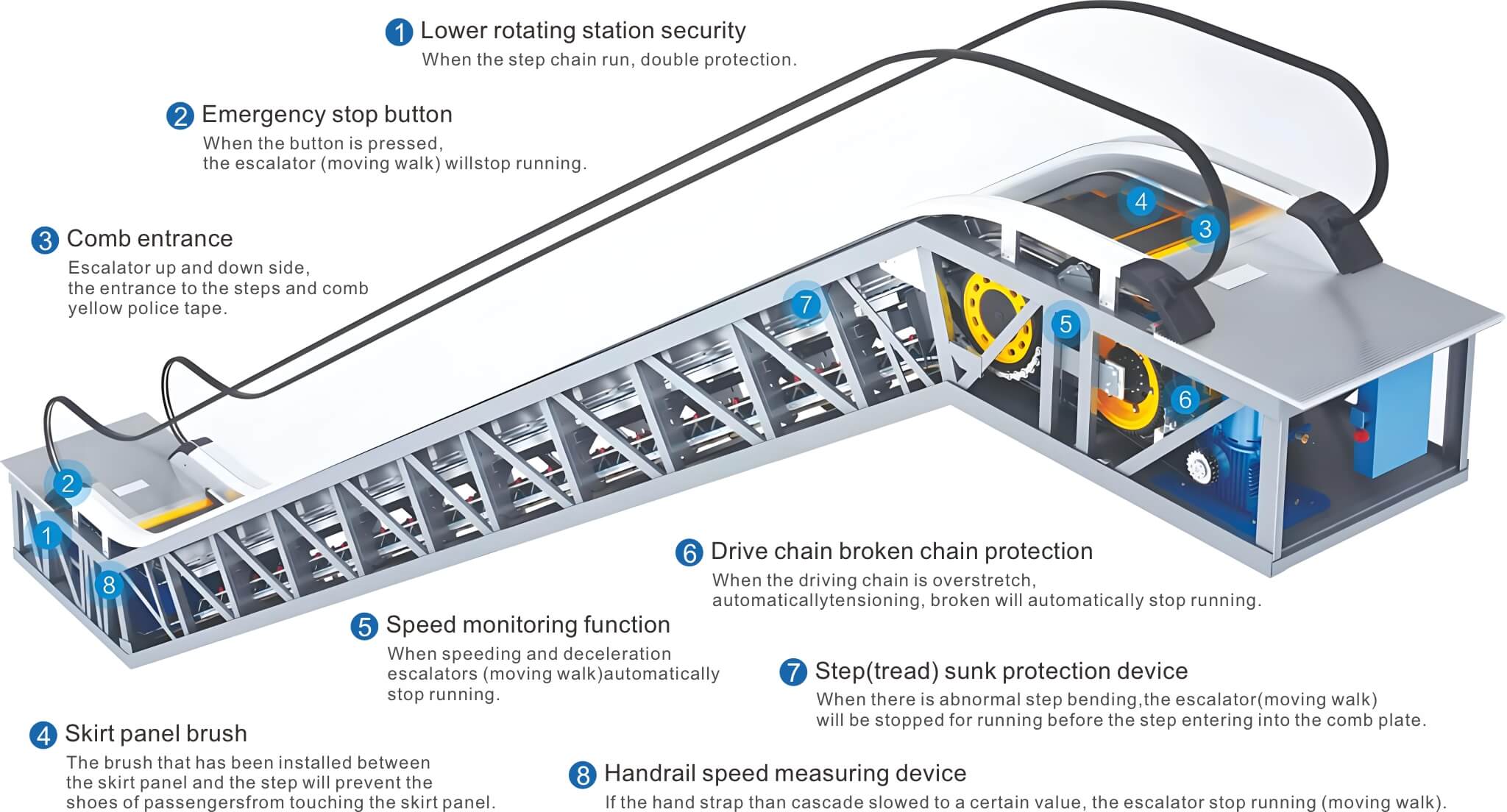
Standard Function
Optional Function
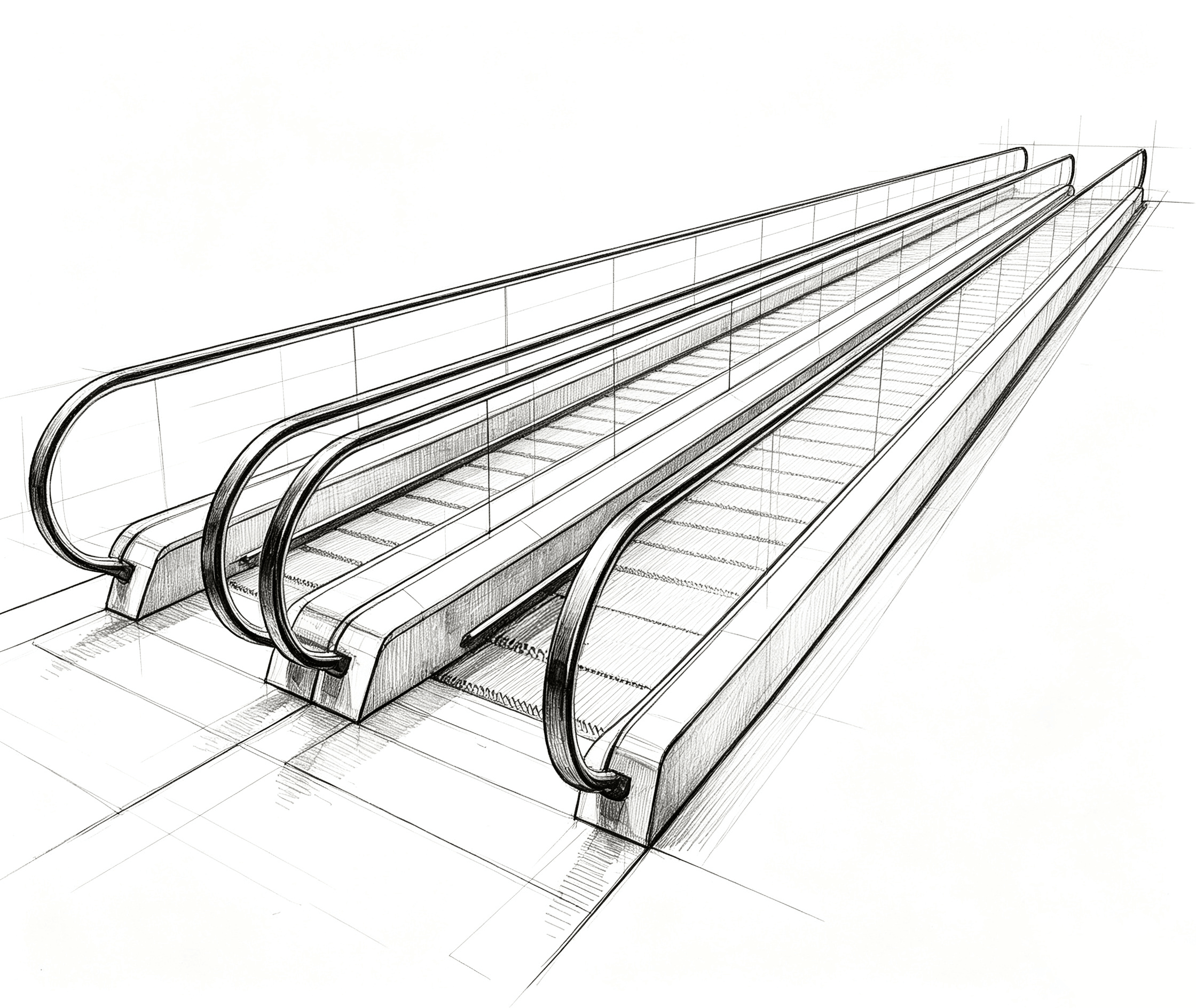
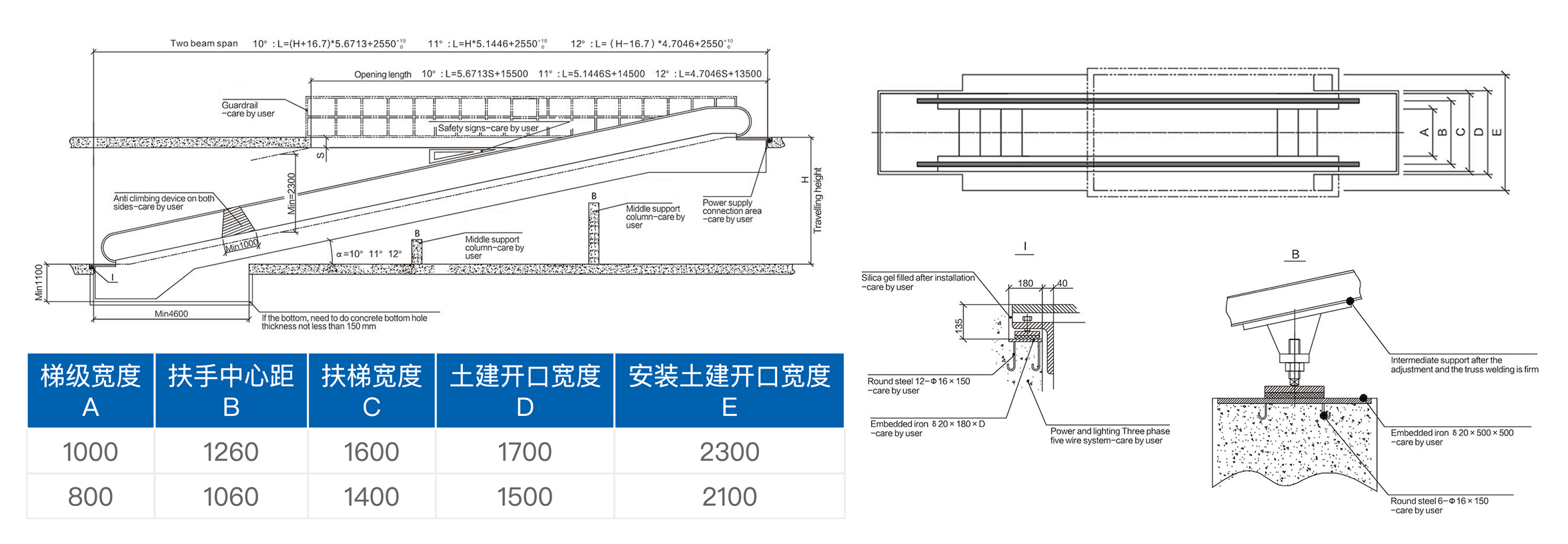
Construction Sketch
Choosing a Moving Walk Manufacturer in China: Buyer Checklist
A moving walk manufacturer in China builds conveyors that keep people flowing through airports, metro interchanges, shopping centres and exhibition halls. The first decision is flat or inclined: flat walks suit long horizontal concourses, while inclined walks bridge a level change and are usually paired with stairs or an escalator.
Pallet type and belt type solve different problems. A moving walk manufacturer in China normally recommends pallet walks for heavy public traffic and belt walks where a smoother, quieter ride is wanted. Width, handrail finish and drive control are then matched to the expected passenger volume and the architectural finish of the hall.
Moving Walk Delivery, Installation and Service
A moving walk ships in sections that are assembled on site, so the packing list, the numbering and the installation sequence all matter as much as the machine itself. Truss lengths and landing details are confirmed against the building drawings before production starts to avoid adjustments at the final stage.
Commissioning checks the step or belt alignment, handrail speed, brake performance and every safety device, and the results are recorded for the building file. Ordering a spare parts kit – rollers, handrail, comb segments and drive belts – with the first shipment keeps planned maintenance on schedule.
For long concourses, the moving walk manufacturer in China should also confirm the interface between adjacent units, so a passenger stepping from one walk to the next meets a consistent surface and handrail line. A local service partner with our drawings can then handle routine inspection and long-term maintenance.
Frequently Asked Questions
Flat or inclined – which do I need?
Flat moving walks serve long horizontal distances such as airport piers, while inclined walks cover a level change where a ramp or escalator is also required.
Pallet or belt type?
Pallet walks handle the heaviest public traffic and are easier to repair section by section; belt walks are quieter and give a smoother ride.
What widths are available?
800, 1000 and 1400 mm widths cover retail, airport and transit applications respectively.
Can a moving walk be installed outside?
Yes, with weather-rated balustrades, drainage and sealed components for covered outdoor concourses.
How do I compare suppliers?
Ask each moving walk manufacturer in China for project references, drive details, step or belt specification and the spare parts plan – not just the price.
Reference standards and industry benchmarks: ASME A17.1 Safety Code for Elevators and Escalators and KONE.