


Buyers who visit a real production base usually make faster and safer decisions. This article walks you through an elevator factory in China the way an auditor would: from steel cutting and control-cabinet assembly to testing, packing and shipping. If you are comparing Chinese suppliers, these six stages show exactly what separates a genuine elevator factory in China from a trading company.
Elevator Factory in China: Inside BST Express
Bsite Express Elevator Co., Ltd. runs a full production base in Suzhou, Jiangsu, covering R&D, manufacturing, testing and export. The factory tour below follows the real order flow, so you know what to check when you evaluate any elevator factory in China. The whole route takes about two hours and follows the same sequence as a professional quality audit.
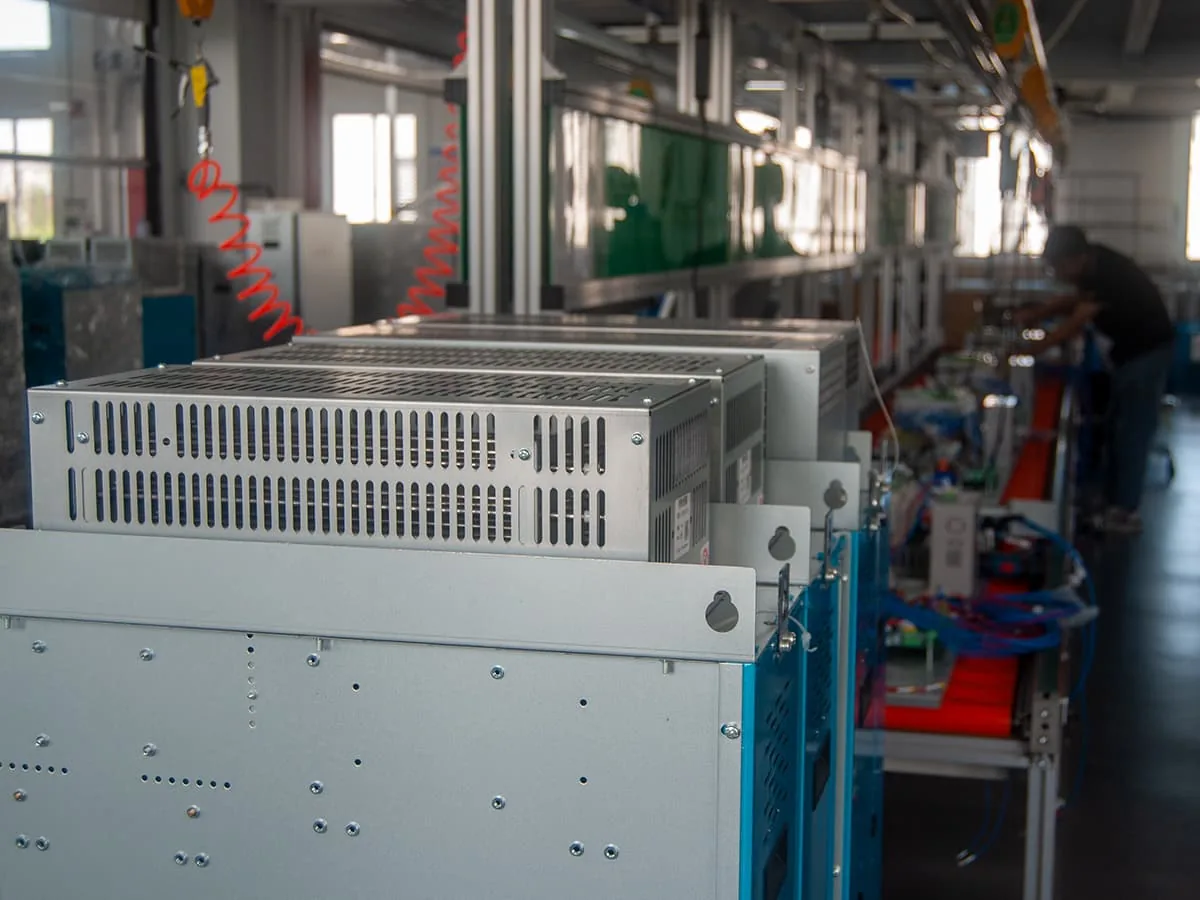
Stage 1 – Steel Processing and Material Storage
Production starts with certified steel sheet and profiles. Raw coils and plates are stored in a dry warehouse, then cut, bent and welded into car panels, door frames and machine bases. A real factory keeps material traceability records; ask to see how incoming steel is checked before it enters the line, and whether batch records can be traced back to the supplier certificate.
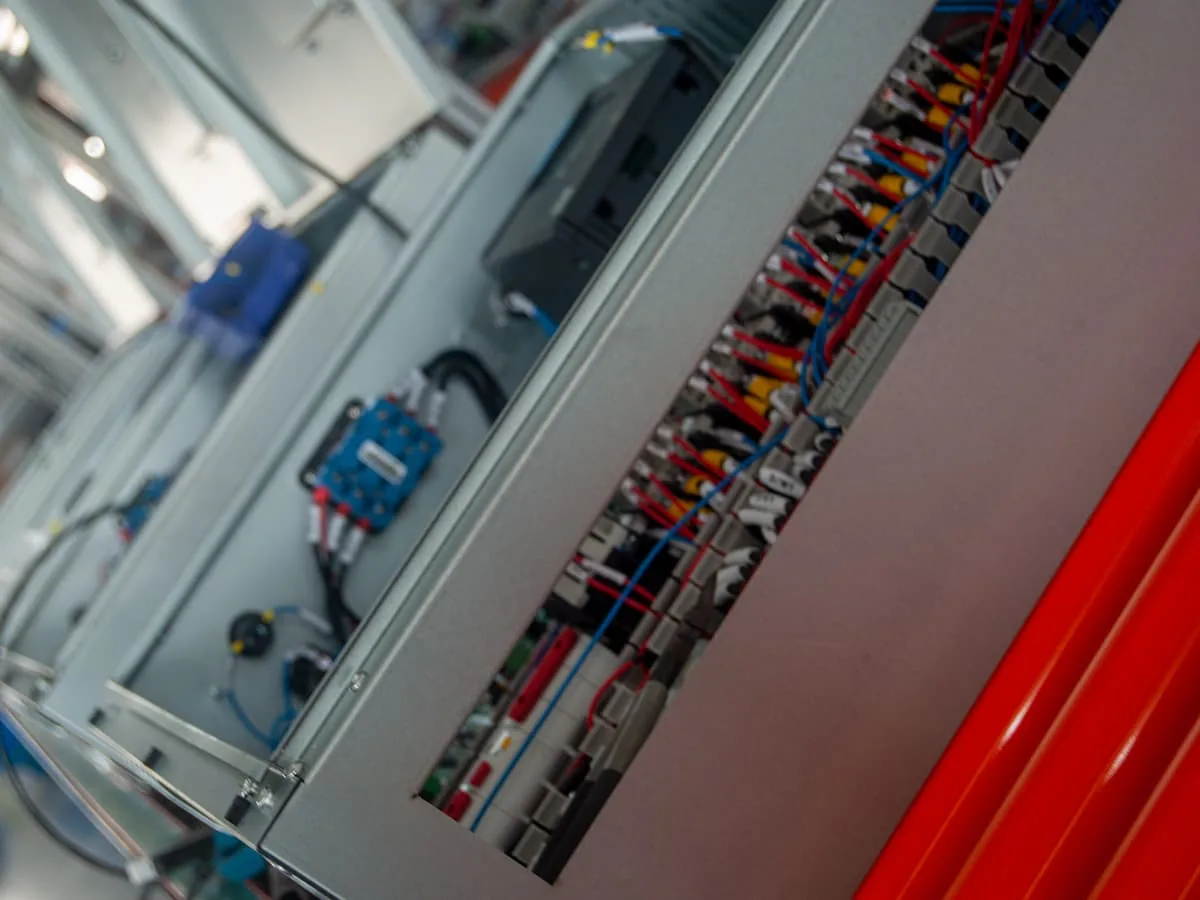
Stage 2 – Control Cabinet and Electrical Assembly
The control cabinet is the brain of the elevator. Technicians assemble VVVF drives, contactors, safety relays and wiring looms against marked drawings, then run a first electrical continuity check. Cabinet wiring quality is one of the fastest ways to judge workmanship when you tour an elevator factory in China.
Stage 3 – Car Assembly and Interior Finishing
Cabin panels move to the assembly area, where workers fit stainless steel or glass interiors, LED lighting, handrails and operating panels. For panoramic and residential models, glass is laminated and inspected before installation. Custom finishes are matched against the buyer’s approved samples so the finished cabin matches the drawings and renders exactly.
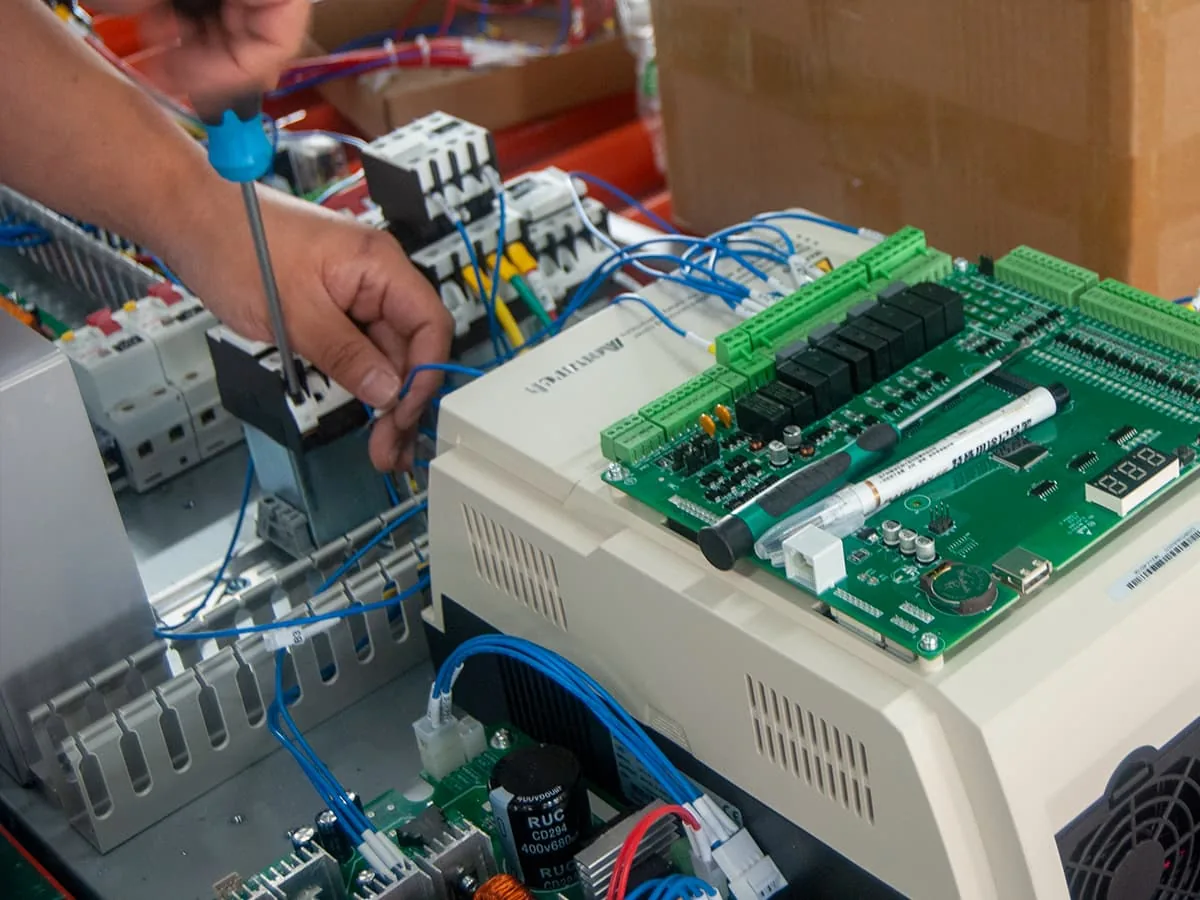
Stage 4 – Machine Room Equipment and Traction Machines
Traction machines, guide rails and safety components are manufactured or sourced from certified suppliers and inspected on arrival. Motors are balanced and run-tested before they are matched with the car, and every set of safety gear carries its own certificate number for traceability. All drive and safety documents are compiled into the technical file that ships together with the elevator.
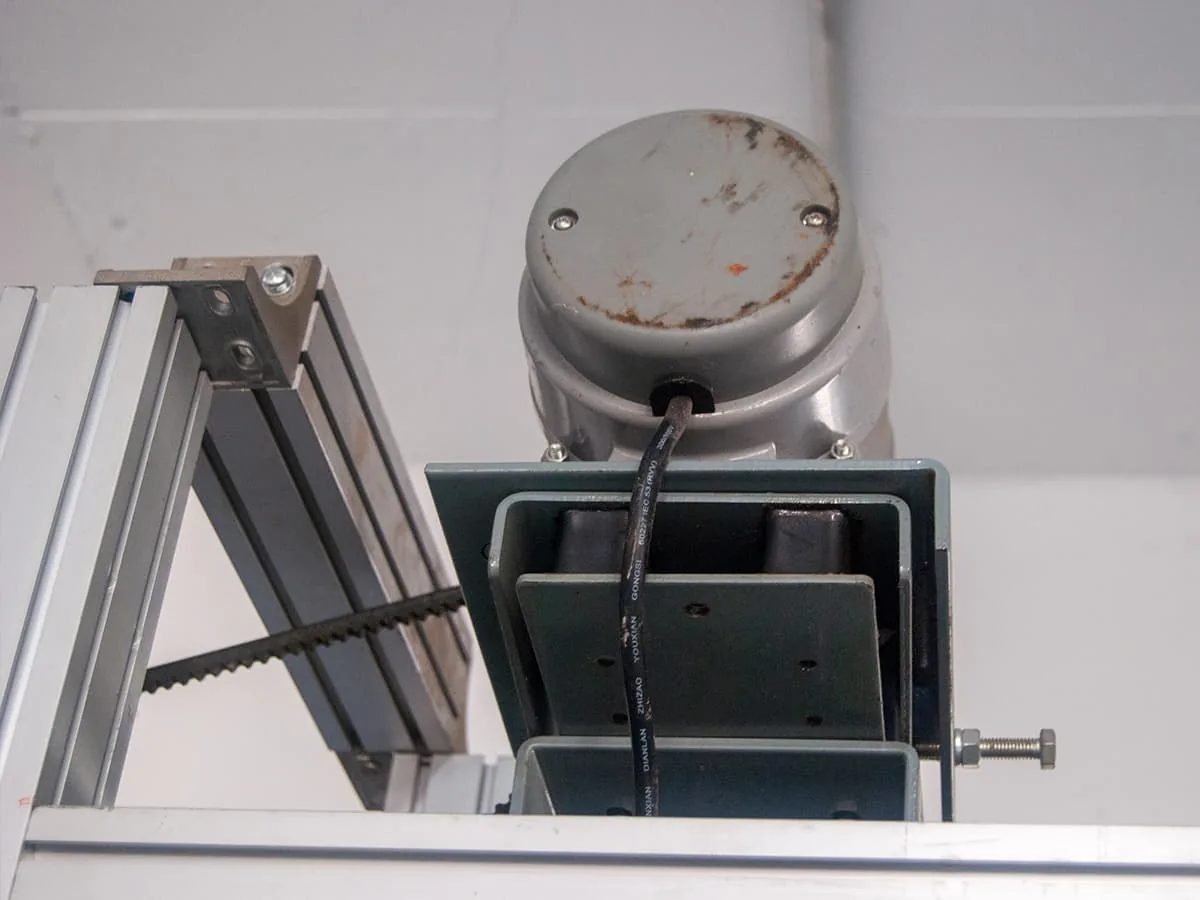
Stage 5 – Testing and Quality Inspection
Finished elevators are tested on benches and in test towers: load testing, speed and leveling accuracy, door cycles, emergency lowering and electrical safety. Standards such as ASME A17.1 and EN 81 guide the acceptance criteria. Ask the factory for load test reports and third-party certificates that name your exact model.
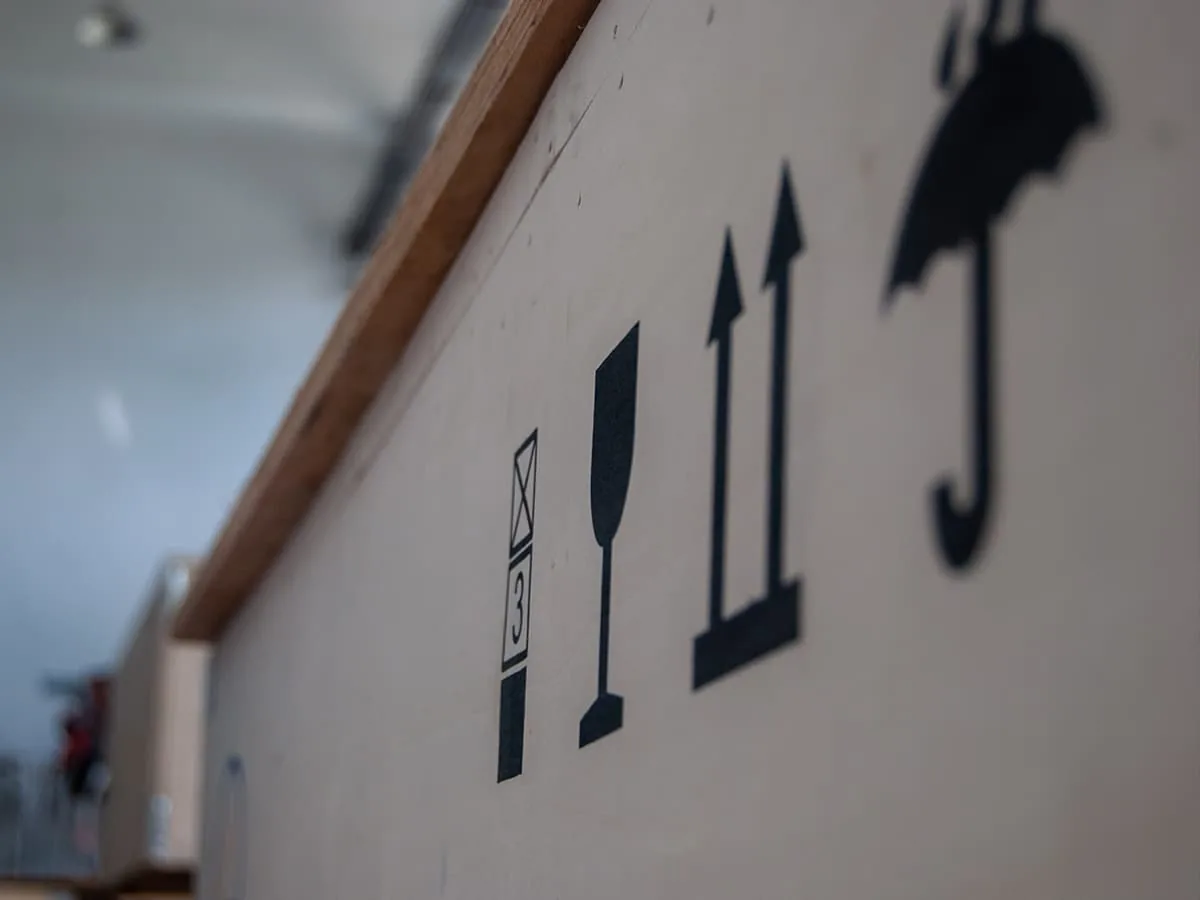
Stage 6 – Packing, Warehousing and Shipping
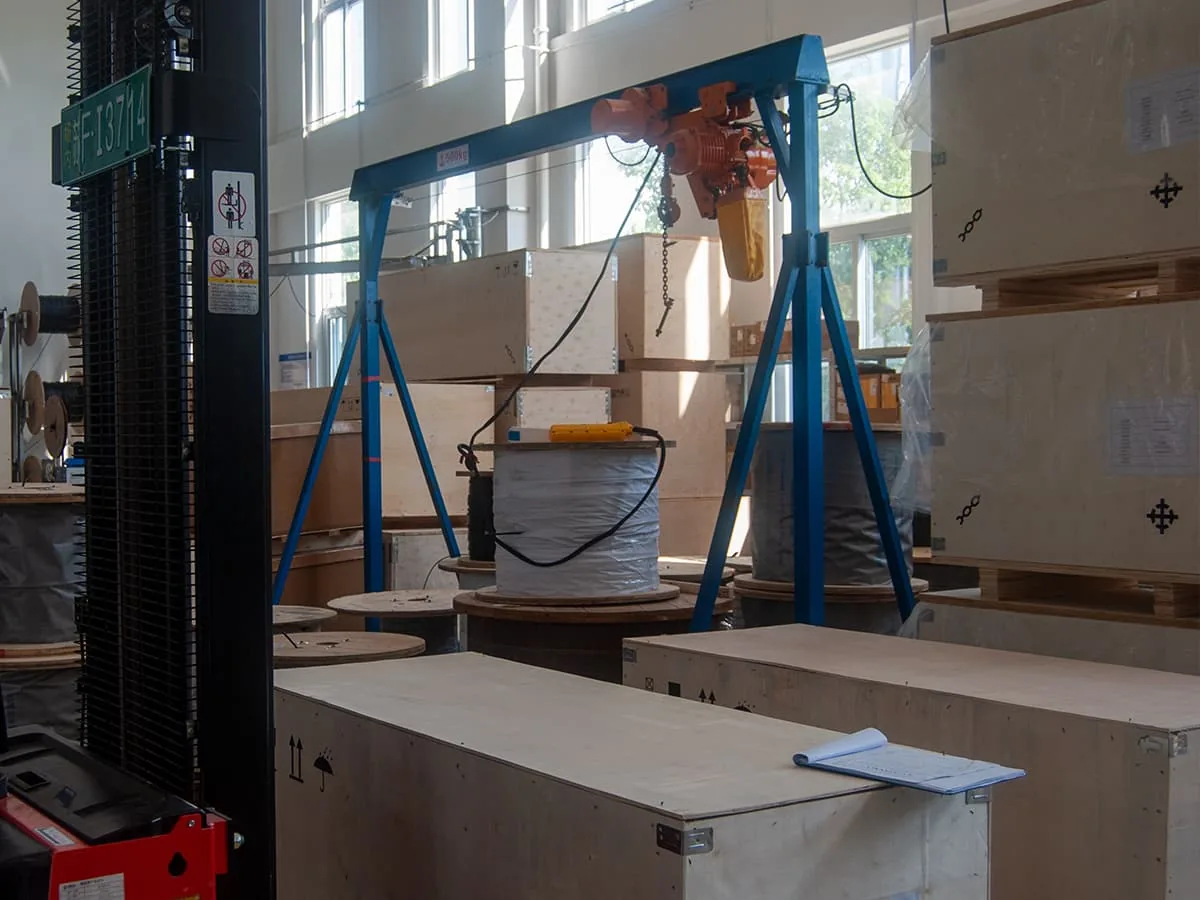
After acceptance, parts are wrapped, packed in wooden frames or crates and staged in the warehouse for container loading. Proper export packing prevents damage on long sea routes. The shipping area should be clean and organized – a reliable indicator of how a factory treats the last step of your order, and photographic packing records can be shared before dispatch if required.
Why Choose BST Express Elevator
Bsite Express Elevator Co., Ltd. is a full-industry-chain elevator manufacturer and factory in China based in Suzhou, As an elevator factory in China with in-house R&D and full production lines, we supply CE-certified passenger, residential, freight, car and panoramic elevators to 60+ countries. You are welcome to arrange a factory visit or live video tour before ordering, and we share test reports and references with every serious inquiry.
FAQ
Can I visit the factory before ordering? Yes – we arrange on-site visits in Suzhou and live video tours for overseas buyers.
What certifications does the factory hold? CE certification, complete technical files and load test reports are provided for each model.
How do you control quality during production? Incoming material inspection, in-line electrical checks, bench testing and final acceptance testing are applied at every stage of this elevator factory in China process.
What is the typical lead time? Around 25-45 days after drawing confirmation and deposit, depending on the model and quantity.
Do you support ODM and OEM customization? Yes – cabins, finishes, control systems and branding can be customized for your project.
For global elevator industry references and benchmark reading, visit Otis Elevator.