


An elevator power supply is the one site input that cannot be changed after the drawings are approved. Three decisions define it: voltage and frequency at the destination, the current drawn at start-up, and whether a second source exists for fire duty. Get all three wrong and the lift that arrived intact cannot be switched on.
Most supply problems on imported lifts are found at the moment of first energisation, not at the factory. The drive trips on undervoltage, the phase sequence is reversed, the earthing system at the site does not match the one the controller was built for, or the generator behind the building cannot carry the starting current. BST Express Elevator confirms the elevator power supply against the destination grid before the drawings go for approval, because every one of those faults is cheaper to prevent than to correct on site.
- What an elevator power supply actually includes
- Voltage and frequency at the destination
- Five checks before the drawings are approved
- Capacity the supply must deliver
- Starting current and why generators trip
- Earthing systems and site differences
- Fire service and emergency power
- Six power mistakes that stop a lift before handover
- How BST Express Elevator confirms the supply
- Frequently asked questions
What an Elevator Power Supply Actually Includes
The phrase covers four separate things, and buyers who treat an elevator power supply as one number usually discover the difference on site. The incoming supply reaches the isolation switch. From there a dedicated feeder runs to the controller, which converts it for the drive. The drive feeds the machine, and a separate low-voltage circuit handles car lighting, the fan, the intercom and the landing indicators. Door operators share that separate circuit, so a fault in a lamp does not stop the lift.
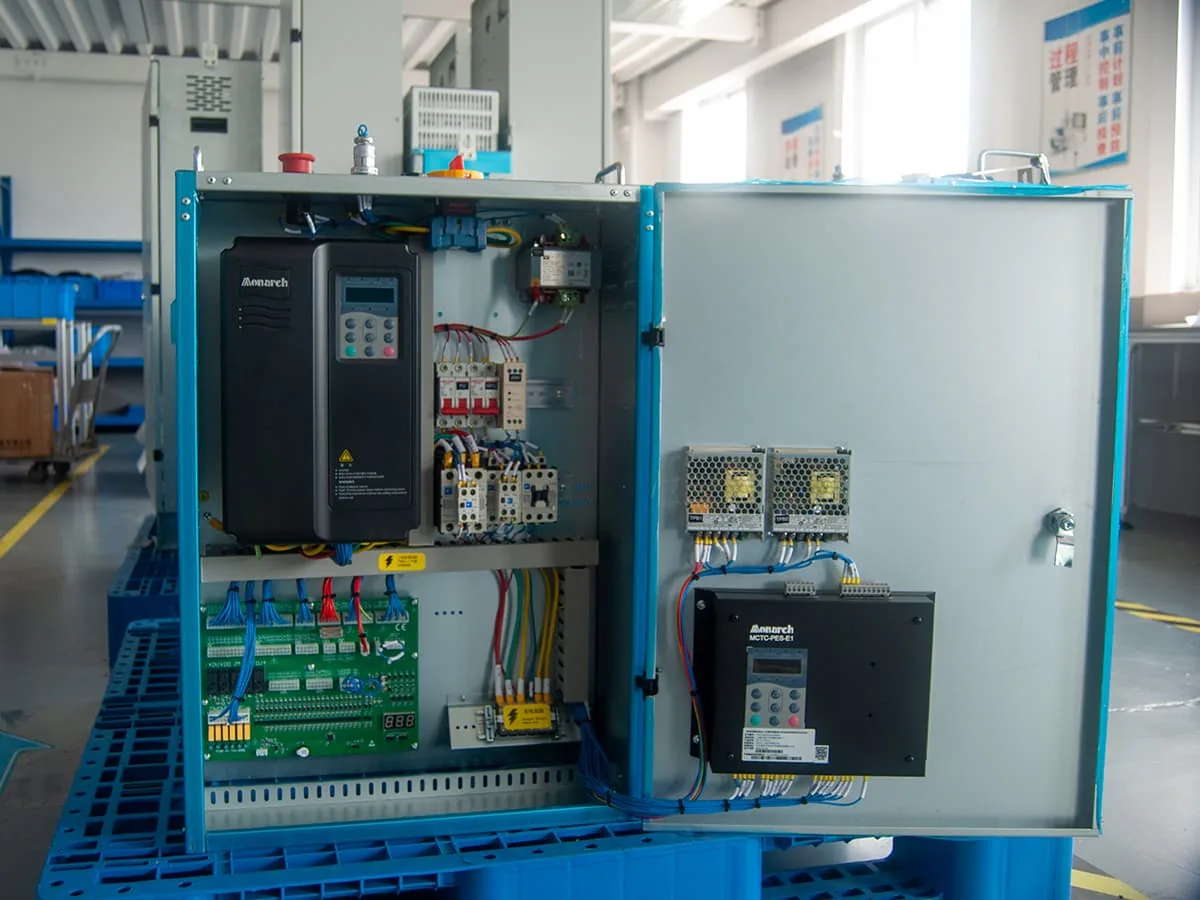
The elevator power supply specification has to name all four: incoming voltage and frequency, rated current of the feeder, the earthing arrangement, and the position of the isolator. An elevator quotation checklist that lists only the first one leaves the electrician to guess the rest, and the guesses are what cause the callback.
Voltage and Frequency at the Destination
Three-phase supply is the default for every commercial lift, but an elevator power supply differs by market, and both the drive and the controller are built for one specific combination. Almost the whole of Europe, China and the Commonwealth standardises on 380-415 V at 50 Hz. North America runs 460-480 V at 60 Hz. Brazil, the Philippines and Saudi Arabia also run at 60 Hz, which catches buyers who assume that 50 Hz covers the whole developing world.
| Region | Nominal supply | Frequency | What the buyer must state |
|---|---|---|---|
| China factory standard | 380 V three-phase | 50 Hz | The default build for most export orders |
| Europe, UK, India, ASEAN, Gulf (50 Hz) | 400-415 V three-phase | 50 Hz | Confirm the exact nominal value with the utility |
| Saudi Arabia, Philippines, Brazil | 380-400 V three-phase | 60 Hz | Fan cooling and metering change with frequency |
| North America, Mexico (industrial) | 460-480 V three-phase | 60 Hz | Transformer ratio and breaker sizing change |
Single-phase input appears in an elevator power supply only on small home lifts and dumbwaiters, where an inverter takes 220-240 V and generates the three phases for the drive. That arrangement is reliable at low duty, but it is not a substitute for a proper three-phase feed on a passenger or goods lift, and a supplier who proposes it for a 1,000 kg unit is solving a wiring problem at the cost of the lift. The harmonised lift standards behind these requirements, the EN 81 series, are maintained by CEN-CENELEC.
Voltage tolerance matters as much as the nominal value, and it belongs in every elevator power supply confirmation. The National Electrical Code in the United States and the grid standards behind it allow continuous operation across a defined band, and a drive with a narrow input range will trip on undervoltage during peak hours in districts where the supply sags. Older industrial estates and buildings on long rural feeds are where this shows up first.
Five Checks Before the Drawings Are Approved
These five questions, answered in writing, settle the elevator power supply for the whole order. Each one costs a reply by email; each one avoided costs a day of downtime on site.
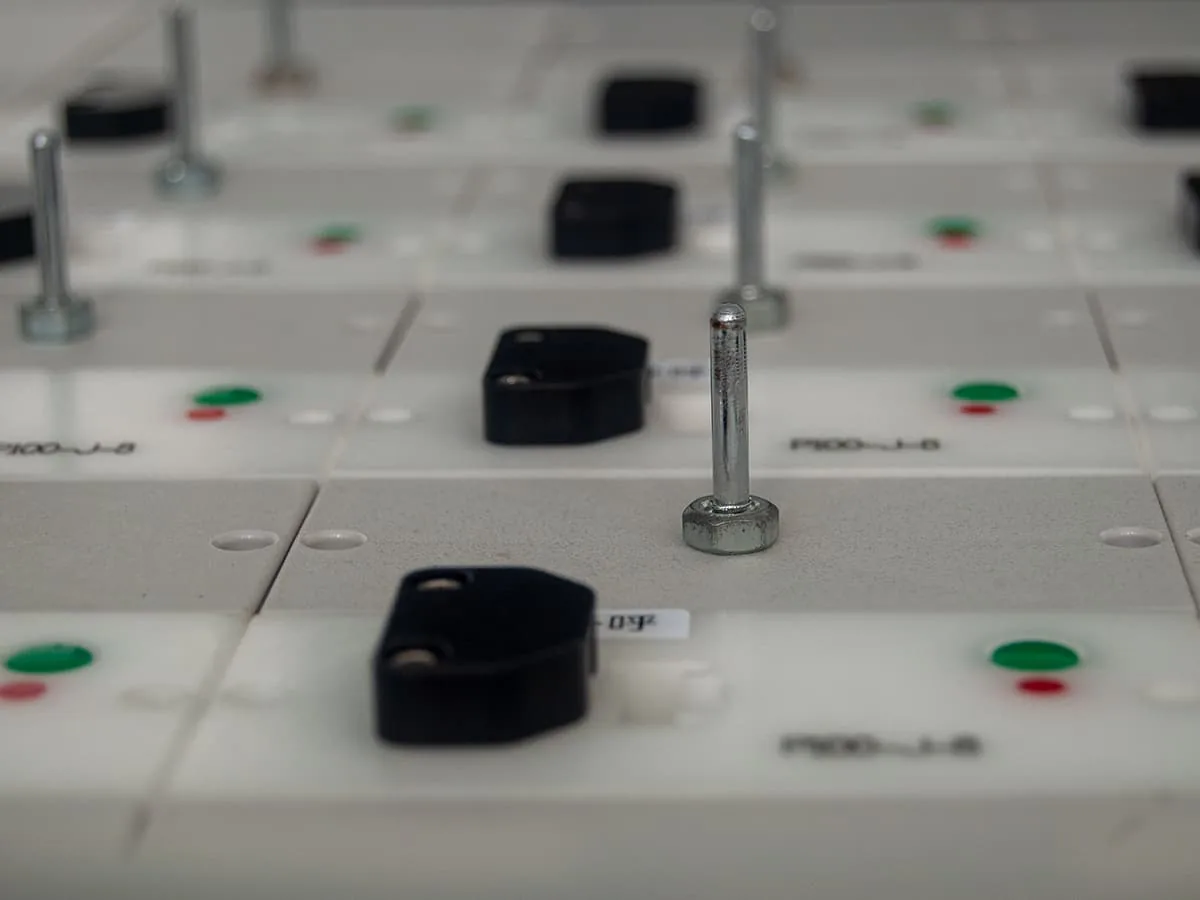
- What is the nominal voltage and frequency at the meter? Not the country average – the value on the utility drawing for the building. 400 V and 415 V are different orders, and 50 Hz and 60 Hz change the machine fan and the metering.
- What is the available short-circuit current at the isolator? The breaker rating and the drive’s withstand depend on it. An electrician can measure it in ten minutes with the right meter.
- What is the earthing arrangement – TN-S, TN-C-S or TT? The controller wiring and the bonding of the car and shaft follow it, and it cannot be changed inside the lift.
- Will a generator carry the starting current? Ask for the generator’s kilovolt-ampere rating, not its running kilowatts, and state the lift’s starting requirement against it.
- Is this a fire service lift, and what supply category applies? Fire service lifts need a second source, and the category determines whether that source is an alternative feeder, a generator or a battery.
A buyer who imports elevators without those five answers in writing is relying on the site electrician to define a machine that is already built. The same discipline applies to the mechanical side, which the guide to buying elevators from China sets out in sequence.
Capacity the Elevator Power Supply Must Deliver
Rated current follows the machine, the car weight and the speed, and the elevator power supply figure is stated on the data sheet for every model. The figures below are the planning ranges BST Express Elevator works to, and the exact value for a project comes from the unit’s own data sheet rather than from the table.
| Unit type | Typical duty | Planning range for the feeder |
|---|---|---|
| Passenger lift, geared traction | 630-1000 kg, 1.0-1.75 m/s | 15-25 A at 380 V, three-phase |
| Passenger lift, gearless MRL | 1000-1600 kg, 1.0-2.0 m/s | 20-40 A at 380 V, three-phase |
| Goods lift | 2000-5000 kg | 40-80 A at 380 V, three-phase |
| Escalator | 0.5 m/s, 30 or 35 degree | 20-30 A at 380 V, three-phase |
The feeder of an elevator power supply is sized for the current plus margin, and the cable run from the switchboard to the machine room or the MRL space is checked for voltage drop as well as for heating. A long run on a small cable delivers the right voltage at the board and the wrong voltage at the drive, which presents as nuisance tripping rather than as a wiring fault. The elevator shaft dimensions guide covers where the riser and the junction box sit relative to the shaft.
Starting Current and Why Generators Trip
A lift draws far more current at start than it does in steady running, and the ratio shapes the whole elevator power supply. A direct-on-line starting arrangement can draw six to eight times the rated current for the fraction of a second it takes the machine to take load. A variable voltage variable frequency drive holds that peak close to the running value, which is the main reason modern lifts start smoothly and the main reason a correctly specified drive survives a marginal supply.
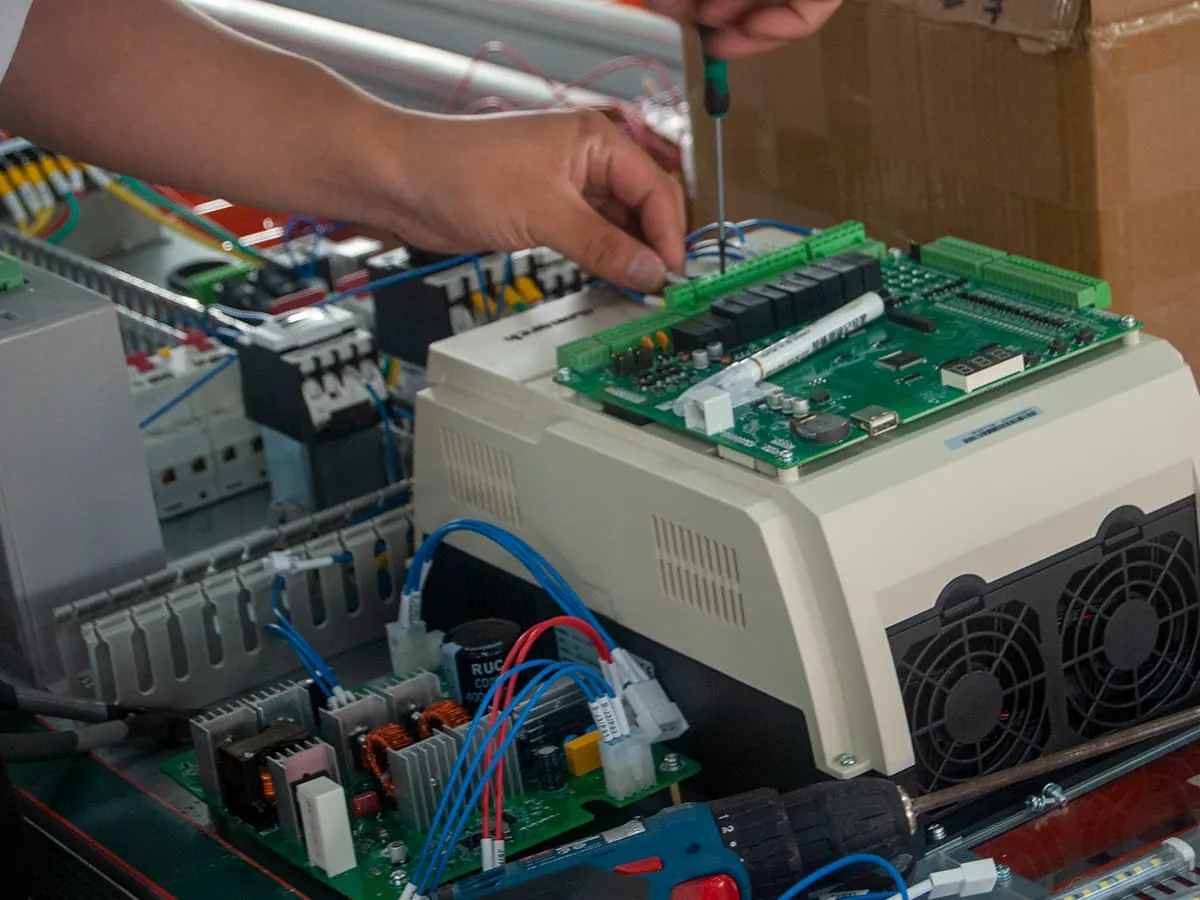
Generators are sized in kilovolt-amps, and two figures settle the elevator power supply behind a standby source: the generator’s kVA rating and its step-load behaviour – how far the voltage and frequency dip when the lift takes load. A generator that is large enough for the running load can still trip its own protection on the step. The behaviour is covered by the NFPA 110 standard for emergency and standby power systems, which is the reference most consultants work from.
BST Express Elevator states the starting current for every model on its data sheet, in amperes at the destination voltage, so the electrician can size the generator against a number rather than an estimate.
Earthing Systems and Site Differences
Three arrangements cover almost every site, and the elevator power supply has to be built for the one that is actually installed. In a TN-S system the protective earth and the neutral run separately all the way from the transformer, which is the arrangement the lift expects and the one that keeps fault current out of the car. In a TT system the site has its own earth electrode, and the lift’s own electrode bonding has to be confirmed rather than assumed. TN-C-S combines the two upstream and separates them at the service entrance, and it is common on industrial estates.
Whatever the arrangement, an elevator power supply is only complete when the car, the shaft, the counterweight frame and every accessible metal surface inside the hoistway are bonded, and the bond is tested before handover. A lift built for TN-S and installed on a TT site will still run, but its residual current protection will trip on leakage that a matching system would clear, and the fault will look like a defective controller.
The earthing arrangement is one of the five written answers above, and it belongs on the specification sheet next to the voltage – not in a conversation with the site electrician after the crates arrive.
Fire Service and Emergency Power
Fire service lifts add a second requirement to the elevator power supply: a source that takes over when the primary fails, and a phase rotation that keeps the lift running in the same direction whichever supply is live. The category of that second supply decides the design – an alternative feeder from a different substation, a standby generator, or in some jurisdictions a battery system rated for a single journey.
The control gear of an elevator power supply for fire service is different from a standard lift as well: fire-rated cabling into the shaft, a fire service switch at the lobby, and smoke-protection measures around the machine space. None of these can be retrofitted cheaply, which is why the question belongs at quotation stage rather than at installation.
The hospital elevator range follows the same logic for medical facilities, where an interrupted supply is a clinical risk rather than an inconvenience.
Six Power Mistakes That Stop a Lift Before Handover
- Stating the country average instead of the building’s supply. The utility drawing is the reference; the national grid is not.
- Ordering a 50 Hz machine for a 60 Hz grid. The lift may run, but the fan cools less, the metering reads wrong and the warranty argument starts.
- Sizing the generator on running load alone. The starting current is the figure that trips the protection.
- Ignoring the earthing arrangement. A mismatch presents as nuisance tripping and is diagnosed as a controller fault.
- Leaving the isolator position undefined. It has to be within sight of the machine, and the cable length is part of the quotation.
- Finding out the building is a fire service lift project after the order. The second supply changes the cable schedule, the switchgear and the shaft works.
Every one of these elevator power supply problems is settled by the same mechanism: a written answer before the drawings are approved. The cost of asking is an email; the cost of not asking is a second shipment of parts and a week on site.
How BST Express Elevator Confirms the Supply
BST Express Elevator, Suzhou, China records 4 items on the data sheet of every lift project before the drawings go for approval: voltage, frequency, earthing arrangement and supply category. The controller is then built to that record. The starting current is stated in amperes at the destination voltage, so the electrician sizes the feeder and the generator against the same numbers the factory used.
For fire service and hospital projects the second supply of the elevator power supply is specified at the same stage, with the cable schedule and the switchgear list issued alongside the general arrangement drawings. That is the point at which the elevator power supply stops being a site question and becomes part of the order.
Frequently Asked Questions
What voltage does an elevator need?
Almost every commercial lift runs on three-phase supply. The factory default is 380 V at 50 Hz, Europe standardises on 400-415 V at 50 Hz, and North America runs 460-480 V at 60 Hz. The exact value has to come from the utility drawing for the building rather than a national average, because both the drive and the machine fan are built for one combination. BST Express Elevator states the required supply on the data sheet of every elevator power supply before drawings are approved — 380 V, 400 V or whatever the building actually draws.
Can an elevator run on a generator?
Yes, if the generator is sized on its kilovolt-ampere rating and its step-load behaviour rather than on the lift’s running kilowatts. A lift draws a short peak at start, and a generator that carries the running load comfortably can still trip its own protection on that peak. A variable voltage variable frequency drive holds the peak close to the running value, which is why a correctly specified drive and a correctly sized generator work together reliably. Ask for the lift’s starting current in amperes at your voltage before the generator is rented or bought.
Does an elevator need a dedicated power supply?
Yes. The lift runs from its own feeder with its own isolator, and an elevator power supply never shares that feeder with anything else. Sharing a feeder with pumps, air conditioning or workshop machinery exposes the drive to voltage dips that its protection reads as a supply fault, and the lift stops for reasons that have nothing to do with the lift. The feeder, the isolator position and the cable cross-section are part of the electrical drawings issued with the lift.
What is the difference between 50 Hz and 60 Hz for a lift?
The drive converts the incoming supply of an elevator power supply, so the lift will run, but two things change. The machine’s cooling fan turns at the wrong speed, which reduces the continuous rating in one direction or the other, and any metering or timing built for one frequency reads incorrectly. For a 60 Hz destination the machine fan and the control transformer are specified for that frequency at the factory. Changing them on site means a second motor and a second transformer, and neither is a stock item.
How much power does a 1,000 kg passenger lift use?
The elevator power supply for a 1,000 kg passenger lift at 1.0-1.75 m/s falls in the region of 15-40 A at 380 V three-phase depending on whether the unit is geared traction or gearless machine-room-less. The figure is stated on the model’s data sheet, and it is the number the electrician sizes the cable and the breaker against. Planning the supply from a catalog average and confirming it later is how projects end up with a cable that has to be replaced after the shaft is finished.
The supply question is settled once, in writing, before the drawings are approved. The BST Express Elevator team confirms the elevator power supply against the destination grid for every export project, and issues the starting current and the feeder requirement on the same data sheet as the mechanical dimensions.
[…] and frequency from the utility bill of the actual building, not from a country profile — the five checks behind an elevator power supply apply to Mexico the same way they apply anywhere else. Multi-unit developments in the same city can […]
[…] assemble VVVF drives, contactors, safety relays and wiring looms against marked drawings, so the elevator power supply is built to the destination grid rather than to a default, then run a first electrical continuity […]
[…] the site supply before the controller is configured; the voltage and generator requirements are the usual […]
[…] electrician usually controls. The lift needs a three-phase supply at the isolator, sized as the elevator power supply guide sets out, with a correct earth and confirmed phase rotation. A single-phase site supply will run […]
[…] Two of these deserve a note. Voltage problems are the most common avoidable exclusion, because an imported unit expects a stable three-phase supply and an unstable grid or a badly switched generator will log overvoltage and phase-failure faults until the controller gives up. Fixing the supply is always cheaper than fixing the controller, and the checks are set out in this guide to elevator power supply. […]
[…] Maintenance changes too. Geared machines need oil level checks and periodic oil changes, and the worm and wheel wear against each other. Gearless machines have bearings and a brake to inspect, and no oil. Noise falls as well, because the gear mesh is gone. What does not fall is the purchase price, and that is the honest trade inside every MRL elevator quotation. Power demand for the two arrangements is compared in elevator power supply. […]