


Elevator CE certification is the legal passport for any lift permanently installed in a European Union building – and, in practice, a quality signal that buyers in the Gulf, Asia and Africa now ask for too. This guide explains what the Lifts Directive requires, which standards apply, which documents to demand from a supplier, and how to check that a certificate is genuine before you transfer a deposit.
The short version: elevator CE certification is not a single certificate issued once. It is a conformity assessment procedure in which an EU Notified Body is involved, safety components are certified individually, and the finished lift is declared compliant before it is put into service. Understanding that structure is what separates a real CE package from a decorative PDF.
What Elevator CE Certification Actually Means
The governing law is the Lifts Directive 2014/33/EU, which replaced the older 95/16/EC directive. It covers two things:
- Complete lifts that permanently serve buildings, including passenger, goods, hospital and car lifts.
- Safety components listed in Annex IV of the directive – landing door locks, overspeed governors, safety gear, buffers, and safety circuit valves for hydraulic lifts.
The directive works on two levels. Safety component manufacturers certify their own products and affix the CE mark; the installer or supplier of the complete lift then CE marks the finished installation before it is handed over. Both steps are mandatory, and a Notified Body must be involved in every conformity route – unlike directives where self-declaration is allowed. When a buyer asks for elevator CE certification, the correct answer is therefore a package: component certificates, a type-examination certificate for the model, and a Declaration of Conformity for the installed unit.
It is worth noting what falls outside the directive. Escalators, moving walks and lifts for construction work are not covered by 2014/33/EU – they sit under the EU machinery framework instead. That distinction matters when a project mixes lifts with escalators, because the paperwork is not the same.
The Two Harmonised Standards: EN 81-20 and EN 81-50
Conformity with harmonised standards gives a presumption of compliance with the directive’s essential health and safety requirements. For lifts, two standards do the heavy lifting:
- EN 81-20 – safety rules for the construction and installation of lifts: shaft clearances, doors and locking devices, overspeed protection, buffers, machine spaces and emergency arrangements.
- EN 81-50 – design rules, calculations, examinations and tests for lift components, including the type-test procedures used for safety components.
Product-specific standards sit alongside them: EN 81-41 for home lifts (typically up to 400 kg and 0.15 m/s), EN 81-70 for accessibility, EN 81-72 for firefighting lifts and EN 115 for escalators and moving walks.
The numeric requirements are what make these standards practical during a factory audit. Landing door locks must achieve mechanical engagement of 7 mm and include an electrical safety contact; overspeed governors must trip at no more than 115% of rated speed; buffers must keep deceleration inside the 0.8-1.0 g band; and overload protection must stop the lift at 110% of rated load. A supplier who knows these figures by heart has almost certainly been through a real elevator CE certification process.
Which Documents an Elevator CE Certification Package Should Include
When you ask for elevator CE certification, expect a document set rather than a single image file. The standard package includes:
- EU Declaration of Conformity (DoC) – issued by the party placing the lift on the market, naming the directive, the harmonised standards applied and the responsible person in the EU.
- EU type-examination certificate – issued by a Notified Body for the lift model, referencing the Notified Body’s four-digit number.
- Safety component certificates – door locks, governors, safety gear, buffers and safety circuits, each certified separately under Module B plus production conformity.
- Technical file – layout and shaft drawings, electrical schematics, risk assessment, strength and traction calculations, test reports and manuals. It must be kept available for at least 10 years.
- Test records – governor tripping, safety gear braking, buffer tests and full-load running records for the model or unit.
- Marking – the CE mark with the Notified Body number, affixed to the lift before it enters service.
If a supplier sends one certificate covering “elevators” in general with no model, no Notified Body number and no technical file, that is not elevator CE certification – it is marketing material.
Conformity Assessment Routes: Module B, D, F, G and H1
The directive allows several routes, and the right one depends on production volume and product type:
- Module B + D – EU type-examination plus production quality assurance. The usual choice for manufacturers running batch production of standard models.
- Module B + F – type-examination plus product verification, used for smaller or more customised batches.
- Module G – unit verification, where each individual lift is examined and tested for its specific installation.
- Module H1 – full quality assurance covering design, production, installation and service, typically for large manufacturers.
Whichever route applies, a Notified Body signs off part of the process – which is why genuine elevator CE certification has traceable certificate numbers you can check against the EU NANDO database of notified bodies.
How to Verify a Supplier’s CE Claim
Buyers lose money on fake or expired certificates. Five checks catch almost everything:
- Match the model. The certificate must name the exact lift type and load range you are ordering – not a family of products.
- Check the Notified Body number. Verify the four-digit number in the NANDO register and confirm the body is notified for lifts.
- Read the standards list. A current certificate references EN 81-20 and EN 81-50; older paperwork citing EN 81-1 or EN 81-2 is a sign the file has not been updated.
- Ask for the technical file index – drawings, schematics, calculations and test reports – and check that the drawing revision matches your project.
- Watch the tests. A live video call during full-load testing, plus the test records that follow, is the cheapest way to confirm that the certification claim reflects real manufacturing.
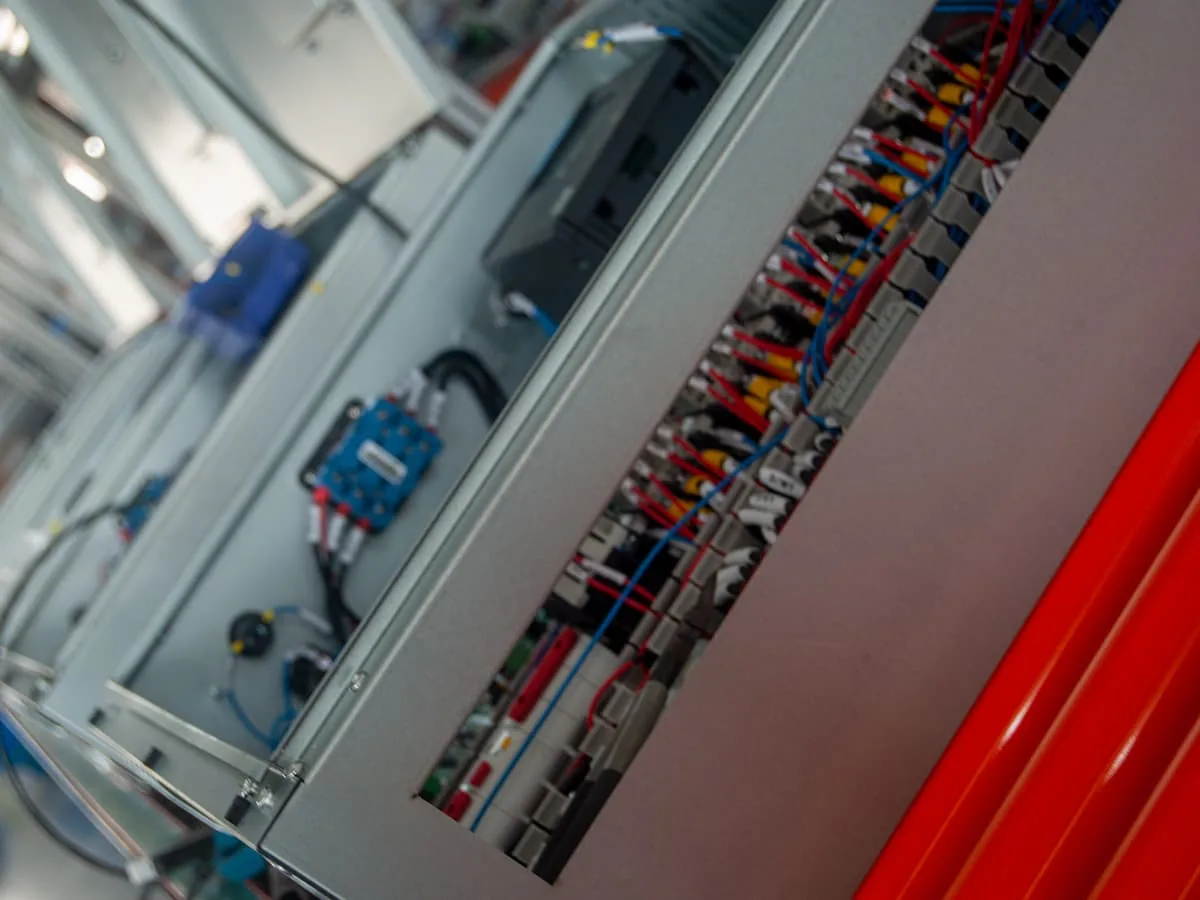
Our own elevator factory tour follows exactly this sequence: production lines, control cabinet assembly, test bench and packing with the technical file laid out alongside. A further habit helps: ask which Notified Body carried out the elevator CE certification and contact them directly to confirm the certificate number.
CE and Other Market Standards
Even where CE marking is not legally required, EN 81-20 and EN 81-50 have become the shared technical language of international tenders. Buyers comparing markets usually work with a short list:
- European Union / EEA – Lifts Directive 2014/33/EU with EN 81-20 and EN 81-50; CE marking is mandatory.
- United States and Canada – ASME A17.1 / CSA B44 and local state codes.
- China – GB 7588 with the national installation and inspection regime.
- Gulf markets – SASO, ESMA and municipal approvals, frequently requesting EN 81-20 evidence.
- India and Southeast Asia – national lift rules and BIS requirements for components, again often referencing EN standards.
Because a single platform can be documented for several markets, buyers should ask early which standard set the factory will certify against, and budget for the extra testing if more than one market is involved. Where a project needs elevator CE certification for the lifts and machinery-framework approval for the escalators, expect two separate document sets. Our elevator manufacturing profile lists the CE-certified product families we build, from passenger elevators to freight elevators.
From Certification to Shipment
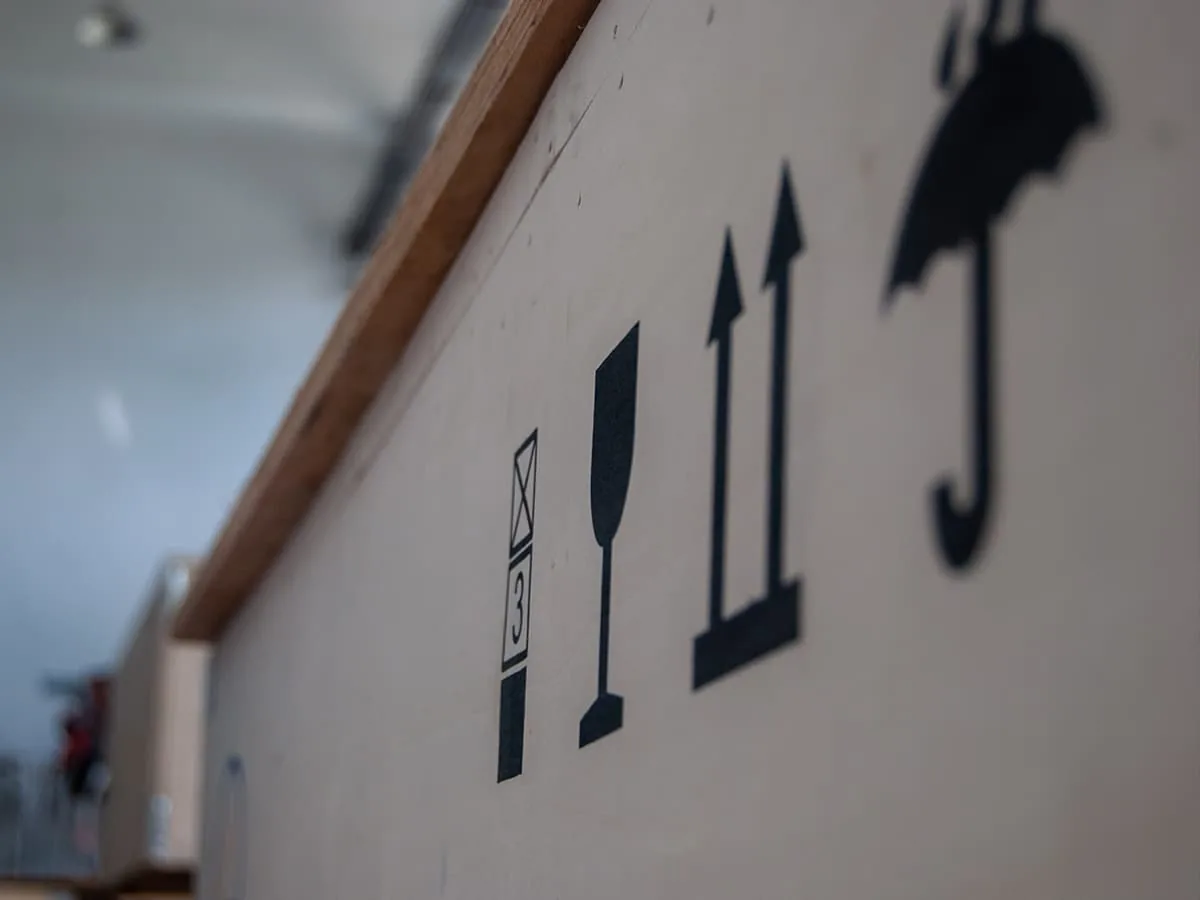
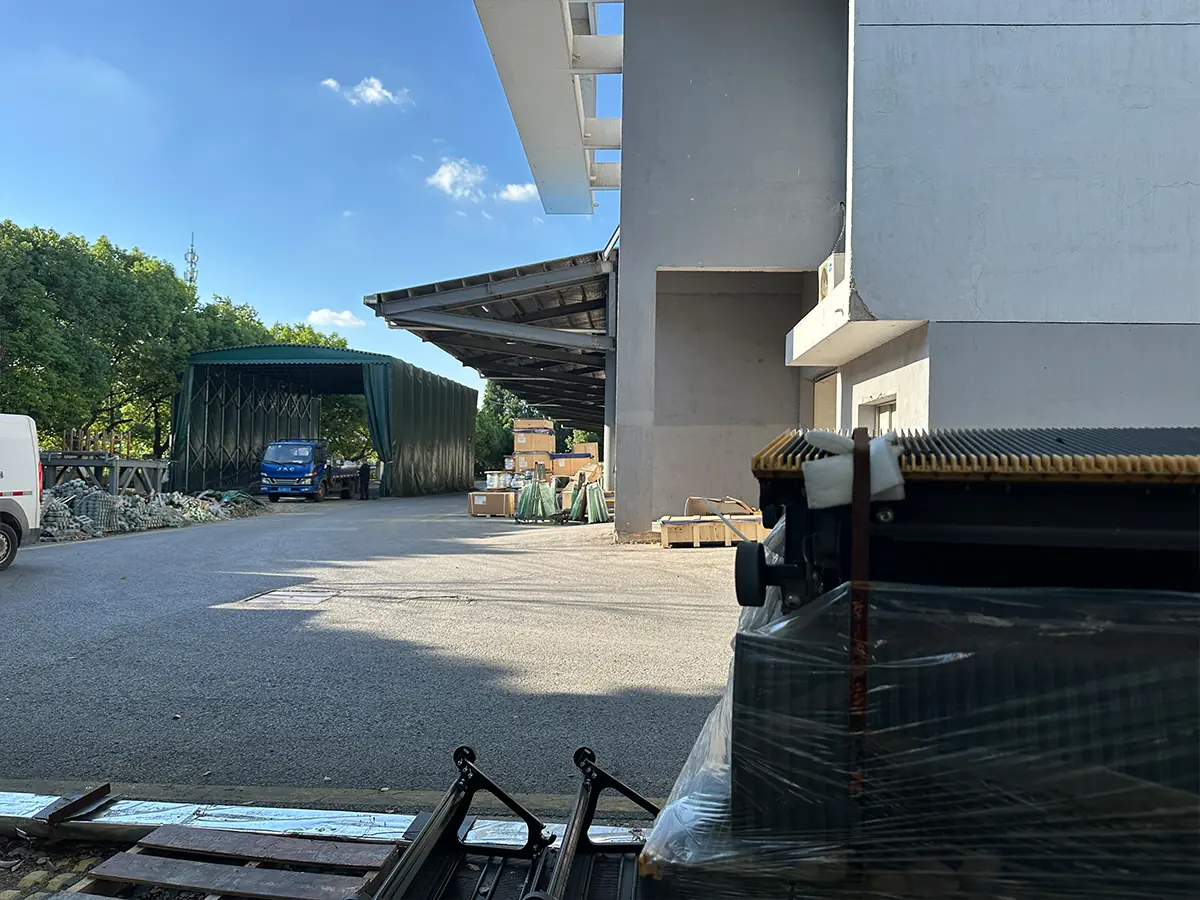
Certification is only useful if the goods arrive documented. Every export shipment should carry the commercial invoice, packing list, bill of lading, certificate of origin, HS codes for lifts and components, and the technical file matched to the lift serial numbers. Where the destination requires conformity documents – SASO in Saudi Arabia, for example, or BIS registration in India – those are issued before shipping, not after arrival – and filed together with the elevator CE certification documents in the customs pack.
Our step-by-step guide on how to buy elevators from China walks through audit, testing, payment and container loading in order.
Frequently Asked Questions
Is elevator CE certification legally required in the EU? Yes. A lift permanently serving a building cannot be placed on the EU market or put into service without elevator CE certification under the Lifts Directive 2014/33/EU.
Who issues elevator CE certification? An EU Notified Body carries out the type-examination and, where applicable, production or unit verification. The manufacturer or installer then issues the Declaration of Conformity and affixes the CE mark.
What is elevator CE certification based on? The essential health and safety requirements of Directive 2014/33/EU, with EN 81-20 and EN 81-50 as the harmonised standards that demonstrate compliance.
How long does elevator CE certification take? For a type-examined platform already in production, buyers normally see certificates and technical files immediately because they exist for the model. First-time type examination of a new design typically takes several months, depending on Notified Body scheduling and test results.
Do escalators and moving walks need it under the Lifts Directive? No – 2014/33/EU covers lifts and their safety components only. Escalators and moving walks are handled under the EU machinery framework, with EN 115 as the relevant standard.
How can I check that a CE certificate is genuine? Verify the four-digit Notified Body number in the EU NANDO register, confirm the certificate names your exact model, and ask to watch full-load testing live by video call.
If you need a lift with a complete CE package – component certificates, type-examination certificate, Declaration of Conformity and technical file – send your project details to our export team and we will share the documentation for the model you are considering before you order.
References
Official sources and standards: the European Commission’s Lifts (Lifts Directive 2014/33/EU) information page, the full text of Directive 2014/33/EU on EUR-Lex, and CEN-CENELEC for the EN 81 series of harmonised standards. See also Otis Elevator for global industry reference.