


Working out the real elevator price in China is harder than it should be, because most published figures never state the configuration they were built on. Two passenger lifts can sit 60% apart in cost and still carry identical names on the specification sheet. If the equipment itself is new to you, read what is an elevator first for the types and components, then come back. This guide gives the ranges we actually quote from our Suzhou factory, and the seven factors that move the elevator price in China up or down.
Elevator Price in China 2026: The Ranges at a Glance
Buyers comparing quotations for the first time usually want one thing before anything else: a number. The table below shows what a standard, single-unit order typically costs FOB China. Treat each band as a starting point rather than a final offer – every figure assumes a mid-range configuration, standard finishes and delivery to a Chinese port.
| Elevator type | Typical capacity | Typical FOB price (USD) |
|---|---|---|
| Dumbwaiter / food lift | 50–300 kg | 2,000 – 6,500 |
| Home / villa elevator | 250–400 kg | 9,000 – 22,000 |
| Passenger elevator | 630–1,000 kg | 8,500 – 19,000 |
| Hospital / bed elevator | 1,600–2,000 kg | 15,000 – 32,000 |
| Freight elevator | 1,000–3,000 kg | 12,000 – 30,000 |
| Car elevator | 3,000–5,000 kg | 19,000 – 40,000 |
| Escalator (30°, 1000 mm) | 5,000 persons/h | 11,000 – 26,000 |
| Moving walk | 6,000 persons/h | 18,000 – 45,000 |
Notice how wide each band is. A 630 kg passenger elevator can sit at the bottom of its range with a machine-room-less traction drive and a painted steel car, or at the top with a hydraulic drive, marble finishes and a panoramic cabin. That two-fold spread inside a single product category is the whole reason the elevator price in China is so easy to misread.
The Seven Cost Drivers Behind Every Elevator Price in China
Seven decisions account for most of the distance between the cheapest and the most expensive quotation you will receive for the same building. Ask any supplier which ones they assumed when they gave you their figure.
1. Drive system. Machine-room-less traction is the default for passenger, hospital and home lifts, and it sets the baseline elevator price in China for most projects. A hydraulic drive costs less up front for low-rise freight and car lifts but adds a power unit, an oil tank and extra pit depth. Geared traction is reserved for heavy loads and high travel, and it pushes the figure up sharply.
2. Load and speed. Capacity and speed do not scale linearly with price, but the climb is steep. Moving from 630 kg to 1,000 kg adds roughly 15–20% through a larger machine, heavier car and stronger ropes. Stepping from 1.0 m/s to 1.75 m/s adds another 10–15% on top of that, and a high-speed lift needs guide rails and a shaft that a standard building may not have.
3. Travel height and number of stops. Every additional floor means another landing door, hall call, set of rails and a longer travelling cable. On a mid-rise passenger lift, budget 3–5% per extra stop. A 12-stop lift therefore costs noticeably more than twice a 5-stop lift of the same capacity, which is why comparing buildings of different heights tells you nothing about the elevator price in China.
4. Car size and interior finish. The cabin is where budgets move fastest. Painted steel is the base specification. Brushed stainless steel adds 10–20%, mirror and etched panels add 25–40%, and marble flooring with a mirror ceiling can add 50% or more to the car package alone. Finishes are also the easiest line to cut if a project runs over budget.
5. Door system. Automatic two-panel centre-opening doors are standard on almost every lift we ship. Four-panel doors speed up passenger flow in hospitals and high-traffic buildings at a premium, while fire-rated doors, wider clear openings and manual swing doors for small dumbwaiters each shift the number in their own direction.
6. Safety devices and certification. A complete safety package – overspeed governor, progressive safety gear, buffers, emergency brake, automatic rescue device and UPS – belongs in every serious quotation, but optional extras such as earthquake devices, fireman’s operation and remote monitoring add real cost. Certification to EN 81-20/50 and the technical file behind it also carry an engineering cost that must appear in any honest elevator price in China. Our CE certification guide lists the documents to request.
7. Order volume and trade terms. A single unit carries the full engineering and setup overhead; five identical units spread that overhead across the order and typically cut 5–12% from the unit figure. Trade terms matter just as much – FOB, CIF, DDP and installation-included packages can differ by several thousand dollars per lift before anything is manufactured.
How Chinese Factory Pricing Compares with European Brands
Direct factory purchasing from China typically lands 30–50% below an equivalent European or Japanese brand for the same duty, and the gap widens on hospital and freight lifts where steel weight dominates the cost. The saving comes from raw material pricing, vertical integration and the absence of a distribution layer – not from thinner steel. Ask any supplier, in any country, to show you plate thickness and guide rail weight before you accept a claim about the elevator price in China.
What the Elevator Price in China Does Not Include
The equipment figure is rarely the whole project. Budget separately for sea freight and insurance, import duty and clearance, civil work for the pit and shaft, a crane or hoist for unloading, the electrical supply to the machine room, and installation labour. In most markets those items add 20–40% to the landed cost, and considerably more in remote or island destinations.
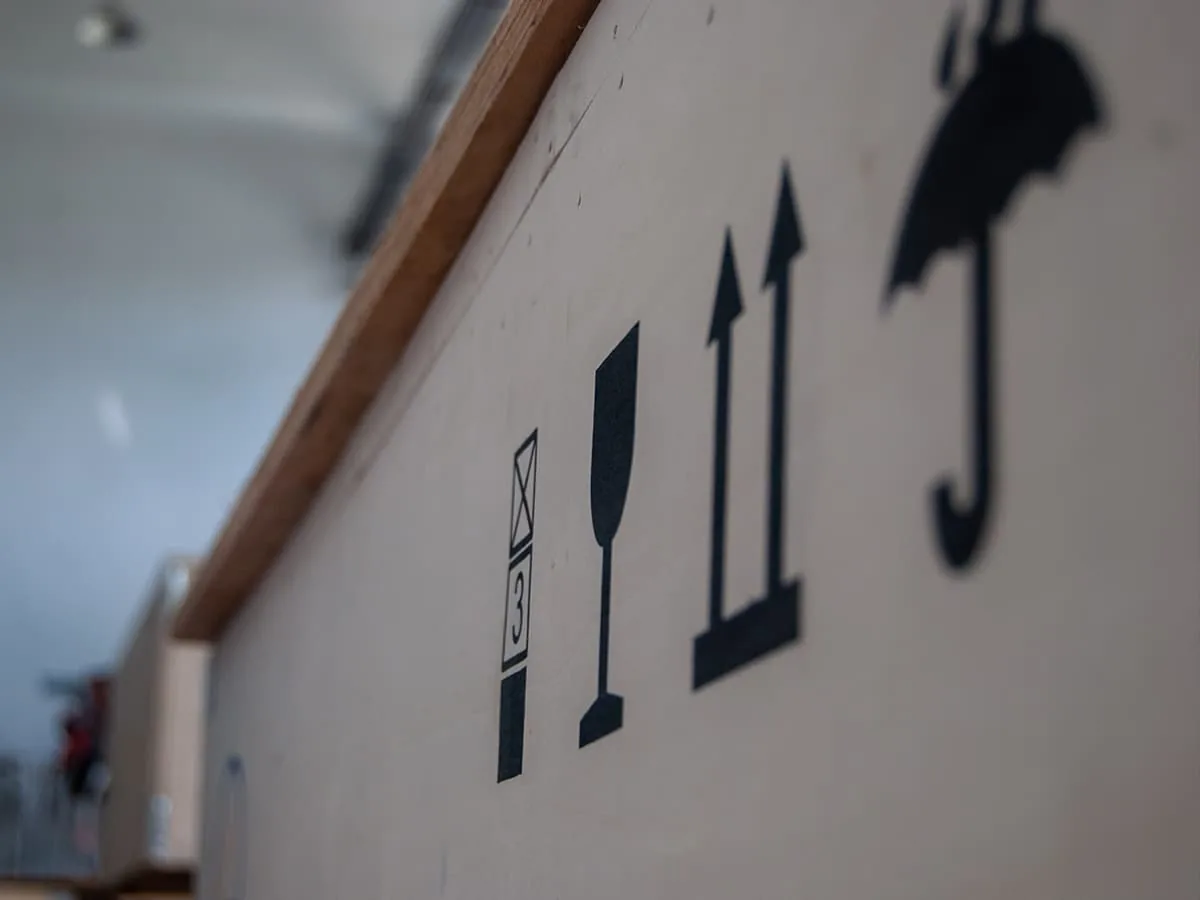
Installation is the single largest of these. A factory can supply layout drawings, remote commissioning support and a supervisor, but local labour still has to erect the rails, hang the doors and wire the controller. Ask for that cost in writing before you compare two quotations, because a cheap machine with expensive site work is not a cheap project – and it is the most common way buyers misjudge the elevator price in China.
Getting an Accurate Quotation: The Details That Set the Figure
A supplier cannot quote accurately from a building height alone. Send these eight details and the answer you receive will be a price rather than a guess:
- Shaft width, depth, pit depth and headroom
- Number of stops and total travel height
- Rated load and rated speed
- Stops served and door openings per landing
- Car interior finish and flooring material
- Single unit or quantity, and whether the order is mixed
- Destination port and preferred Incoterm
- Whether installation support or supervision is required
If the shaft is not fixed yet, our home elevator shaft dimensions guide gives the standard pit, headroom and car sizes we work to. Locking those dimensions before you request pricing is the fastest way to compare quotations on equal terms.
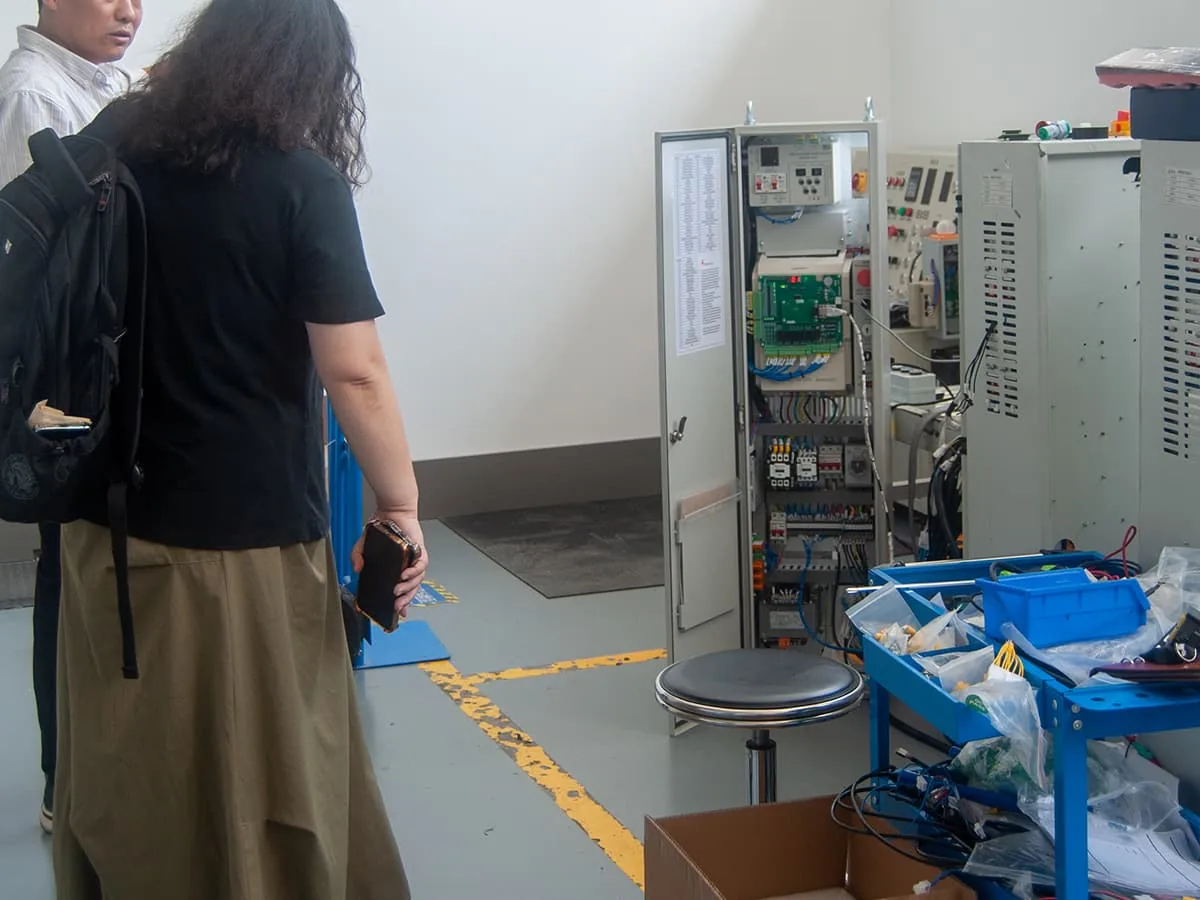
A quotation built on these details takes a day or two. A quotation built on a photograph of the building takes seconds and is worth about as much, so be suspicious of any elevator price in China that arrives before anyone has asked about your shaft.
Frequently Asked Questions
How much does an elevator cost in China? A standard passenger elevator typically costs USD 8,500–19,000 FOB China for a single unit. Small dumbwaiters start around USD 2,000 and large car elevators can reach USD 40,000. Configuration, not country, decides where in that band you land.
Why is the elevator price in China lower than European brands? Raw material cost, in-house component production and the absence of a distribution layer account for most of the 30–50% gap. A factory that sells directly to the end buyer avoids the importer and dealer margins built into European pricing.
Is the cheapest quotation always the best deal? No. An unusually low elevator price in China usually means a smaller machine, thinner guide rails, a basic door operator or safety devices excluded from the scope. Compare the technical specification line by line, not just the total.
Does the price include installation? Normally not. The elevator price in China you are quoted covers the equipment and packing. Installation labour, civil work and site electrical supply are arranged locally, though we supply drawings and remote commissioning support with every order.
How long is a Chinese elevator quotation valid? Most factories hold steel and component pricing for 30 days because raw material costs move. If your project timeline is longer, ask for the validity period in writing and confirm whether the elevator price in China will be re-quoted at order stage.
From the first enquiry to the container, the elevator price in China comes down to three things: an accurate shaft description, a specification you have compared line by line, and a factory willing to put every assumption in writing. Our Suzhou manufacturing base quotes passenger, hospital, freight and car elevators, escalators, moving walks and dumbwaiters as single units or mixed orders – see how to buy elevators from China for the full process.
For the standards behind every figure above: ASME A17.1 Safety Code for Elevators and Escalators and the ISO standards catalogue. Ready to price a project? Send your shaft details and drawings to our export team.