


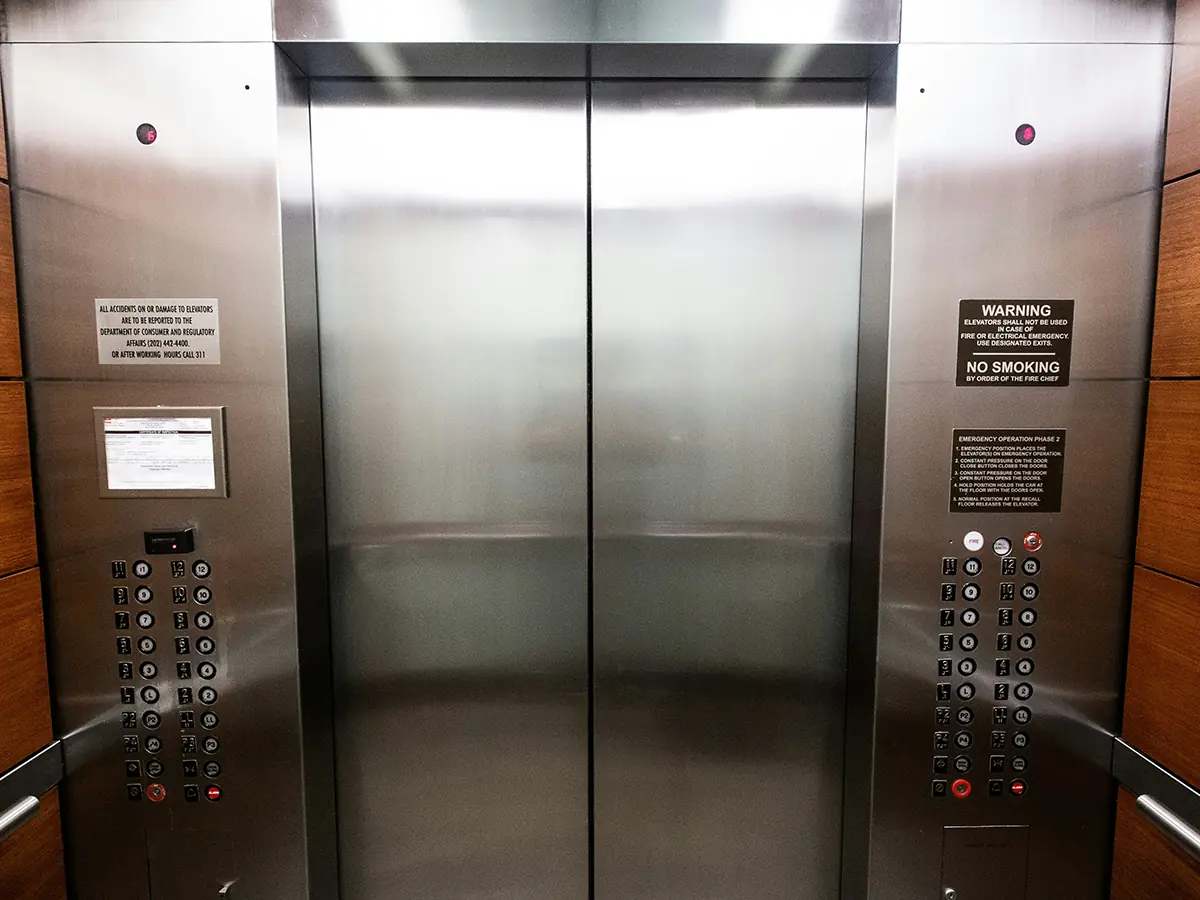
Hospital elevators require stretcher-sized cars and quiet operation. This guide helps you choose a hospital elevator manufacturer in China.
Why Choose a Hospital Elevator Factory in China
Chinese factories build medical-grade elevators at factory pricing with CE certification. Hospital elevators have specific requirements for stretcher access, quiet operation and precise leveling. A specialised hospital elevator manufacturer in China will document every one of these requirements in the quotation, not treat the order as a standard passenger lift.
Step 1 – Define Load and Car Size
Hospital elevators typically require 1,600-2,500 kg capacity with stretcher-compatible car dimensions. The car must accommodate a standard stretcher (typically 2000 mm x 600 mm) with room for medical staff. Confirm the clear internal height and door opening with the hospital elevator manufacturer in China, because stretcher turning space is what often gets missed.
Step 2 – Medical-Specific Features
Precision leveling is critical for stretcher transfer. Quiet operation (below 55 dB) is essential for patient comfort. Emergency battery lowering ensures safe evacuation during power outages. Stainless steel interiors are standard for hygiene.
Step 3 – Documentation and Compliance
Hospitals require complete technical documentation for medical facility approvals. This includes safety certificates, load test reports and maintenance manuals. Ask the hospital elevator manufacturer in China for the full document set before payment, and check that load test reports match your specified capacity.
Why Bsite Express Elevator
Bsite Express Elevator Co., Ltd. is a genuine elevator manufacturer and factory in China based in Suzhou. As a hospital elevator manufacturer in China, we supply CE-certified medical elevators with stretcher-sized cars and export support to 60+ countries.
FAQ
What is the standard load? 1,600-2,500 kg with stretcher-compatible car dimensions.
How quiet are hospital elevators? Below 55 dB for patient comfort.
Do you provide medical-grade certification? Yes – complete CE certification and medical facility documentation are included.
How do I verify a hospital elevator manufacturer in China? Ask the hospital elevator manufacturer in China for CE certificates, load test reports and references from completed hospital projects in your region and ask for a live video factory tour before signing. For the full document and payment checklist, see how to buy elevators from China.
Hospital elevator requirements follow FDA guidelines for medical equipment. For healthcare elevator standards, visit Otis Healthcare Solutions.
Medical Elevator Innovations
Hospital elevators are evolving with touchless controls, air purification systems, and UV-C sanitization features. Modern medical lifts include precision leveling to within 2mm for safe stretcher transfer, voice announcements for visually impaired users, and emergency communication systems. These features are becoming standard in healthcare facilities worldwide.
Regulatory Compliance
Healthcare elevator installations must comply with local medical facility regulations. Ensure your manufacturer provides complete documentation including safety certificates, load test reports, and maintenance schedules required by healthcare authorities in your region.
Specialized Hospital Elevator Features
Hospital elevators require specific features not found in standard passenger lifts: stretcher-compatible car dimensions (minimum 2100mm x 1100mm), precision leveling to within 2mm for safe stretcher transfer, quiet operation below 55 dB, emergency battery lowering for power outages, stainless steel interiors for easy cleaning, and wide door openings for stretcher and wheelchair access. These features are essential for patient safety and staff efficiency.
Integration with Hospital Systems
Modern hospital elevators integrate with building management systems, nurse call systems, and fire alarm networks. Some hospitals use destination dispatch elevators to optimize patient transport and reduce wait times during peak hours. When specifying hospital elevators, consider future integration requirements.
Choosing the Right Hospital Elevator
When selecting a hospital elevator, prioritize these factors: stretcher capacity (must accommodate standard 2100mm x 600mm stretchers), leveling accuracy (within 2mm for safe transfer), noise levels (below 55 dB for patient comfort), door width (minimum 1000mm for stretcher access), and emergency features (battery lowering, emergency communication). These specifications are non-negotiable for healthcare facilities.
Design Considerations
Hospital elevator design must balance functionality with aesthetics. Modern medical lifts feature clean, hygienic stainless steel interiors that resist bacteria and are easy to clean. Interior lighting should be bright but not harsh. Control panels should be intuitive for both patients and staff. Some hospitals require separate service elevators for staff and patients to maintain infection control protocols.