


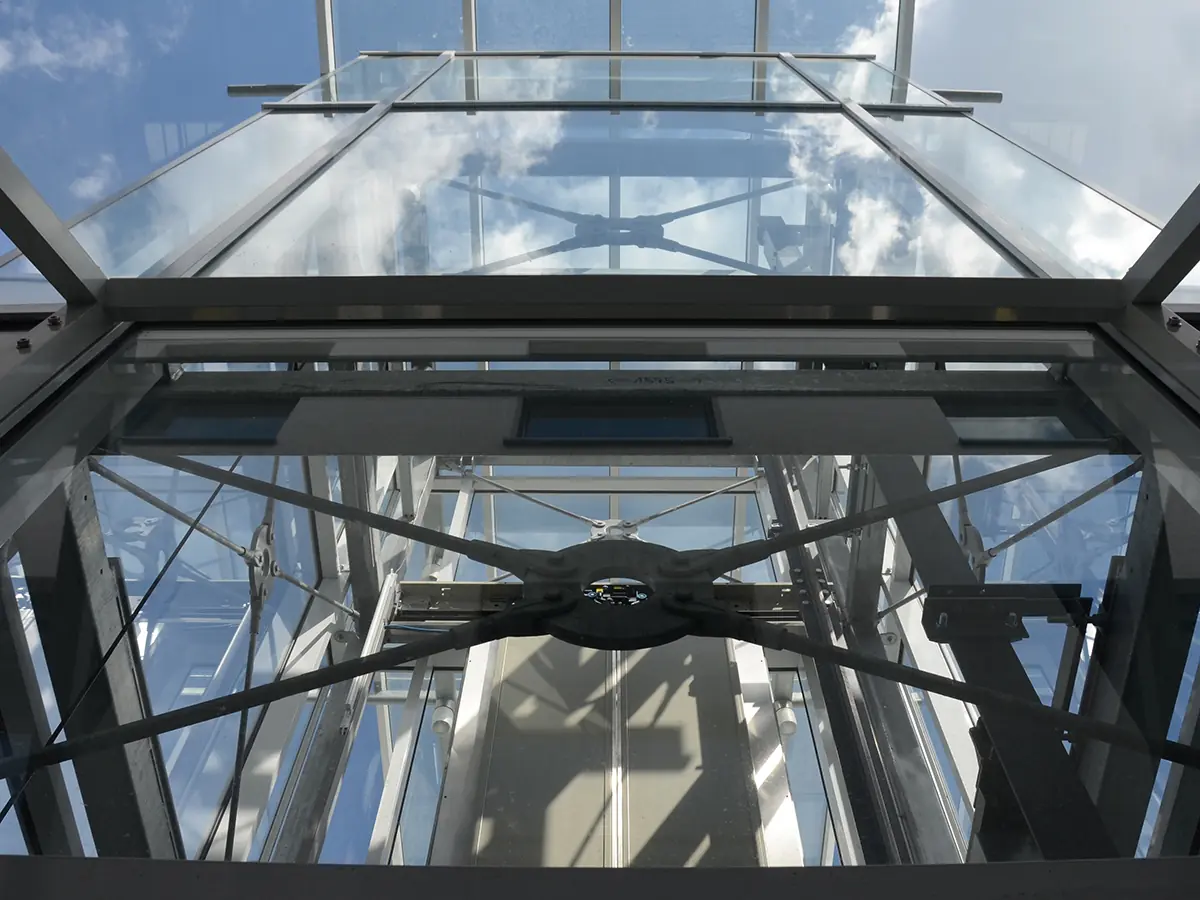
Panoramic elevators feature glass walls for sightseeing. This guide helps you choose a reliable panoramic elevator manufacturer in China.
Why Choose a Panoramic Elevator Factory in China
Chinese factories customize glass, cladding and lighting at factory pricing with CE certification. The glass wall design creates a signature architectural feature for hotels, malls and scenic towers. A dedicated panoramic elevator manufacturer in China will also show you completed glass-cabin references, not just renderings.
Step 1 – Define Capacity and Speed
Panoramic elevators typically range from 630 kg to 1,600 kg capacity with speeds of 1.0-1.75 m/s. The glass design may limit car size compared to standard passenger elevators. Give these figures to the panoramic elevator manufacturer in China so the drive and car can be sized around the extra glass weight.
Step 2 – Glass and Safety Engineering
Laminated safety glass is essential for both car walls and hoistway glazing. Confirm glass thickness meets local safety codes. Emergency lighting, ventilation and safety gear are critical for passenger safety.
Step 3 – Customization Options
Glass shape (curved, flat, or custom), cladding materials, decorative lighting and interior finishes are fully customizable to match your building style. Share your architect’s drawings with the panoramic elevator manufacturer in China to confirm feasibility before ordering.
Why Bsite Express Elevator
Bsite Express Elevator Co., Ltd. is a genuine elevator manufacturer and factory in China based in Suzhou. As a panoramic elevator manufacturer in China, we supply CE-certified glass-cabin elevators with laminated safety glass and export support to 60+ countries.
FAQ
What is the typical load? 630-1,600 kg; larger cars available for high-traffic buildings.
Is a glass elevator safe outdoors? Yes – outdoor models use weather-proof laminated glass and sealed components.
Can the design be customized? Yes – glass, cladding, lighting and finishes are fully customizable.
How do I verify a panoramic elevator manufacturer in China? Ask the panoramic elevator manufacturer in China for laminated-glass certificates, a live video factory tour and references from completed hotel or mall projects. Before you commit, walk through the complete buying process we follow with every overseas order.
For panoramic elevator design inspiration, see Hitachi Glass Elevator Solutions. Glass safety standards are defined by ASME A17.1.
What a Panoramic Elevator Manufacturer in China Should Quote For
A panoramic quote is only comparable when it names the glass, the frame, the drive and the certification file separately. Two offers can differ by 30% and both be honest, because one prices a flat laminated wall in a rectangular shaft and the other prices curved panels in a sealed atrium. Ask the panoramic elevator manufacturer in China to quote line by line against the list below.
| Scope item | What should appear in writing |
|---|---|
| Glass build-up | Laminated thickness per panel, interlayer type, whether the hoistway glazing is included or buyer-supplied |
| Frame and cladding | Steel grade, powder-coat or stainless finish, panel joints, tolerance for shaft plumb |
| Drive and car | Machine type, capacity, speed, car size against the shaft drawing, door type |
| Controller | Voltage and frequency, number of stops, fire and emergency operation required by the destination market |
| Certification file | CE declaration and type examination certificate where the market requires it, load test report format |
| Delivery and packing | Incoterm, crate count, glass crates braced separately, ISPM-15 marking |
When all six lines are answered, the comparison stops being a contest between headline prices. A panoramic elevator manufacturer in China that leaves the glass specification vague is usually protecting a low number rather than offering a better one.
Glass Specification: Four Numbers to Fix Before Ordering
Glass is the part of a panoramic cabin that cannot be corrected after fabrication, so it belongs in the drawing approval pack rather than in the shipping schedule. Four numbers decide whether the cabin is safe, quiet and insurable, and a serious panoramic elevator manufacturer in China will send them in writing before any deposit is discussed.
| Parameter | Typical figure | Why it matters |
|---|---|---|
| Laminated build-up | Two panes bonded with a PVB or SGP interlayer | Holds the pane together if it breaks; single-pane toughened glass is not acceptable on a car wall |
| Panel thickness | Increasing with pane height and wind exposure | Drives weight, which drives machine size, car frame and door load |
| Wind load | Stated for the building height and the site | Outdoor and high-level shafts see pressure a standard panel is not rated for |
| Edge treatment and fixing | Polished edges, clamped or bonded to the frame | Decides how the panel moves with thermal expansion instead of cracking |
Ask for the interlayer type by name. PVB is the common choice for interior car walls, while SGP is specified where higher post-break stiffness or cyclone exposure is required. The difference does not show on a rendering, and it is one of the few places where two quotations for the same cabin differ in substance rather than in margin. Put the name in the enquiry to every panoramic elevator manufacturer in China on your shortlist, so that all of them price the same wall.
Seven Checks Before You Approve a Panoramic Order
These seven items catch almost every problem that a buyer discovers too late, after the glass has been cut and the crate is on the water. Run through them with the panoramic elevator manufacturer in China before the deposit is paid, not after the vessel has sailed.
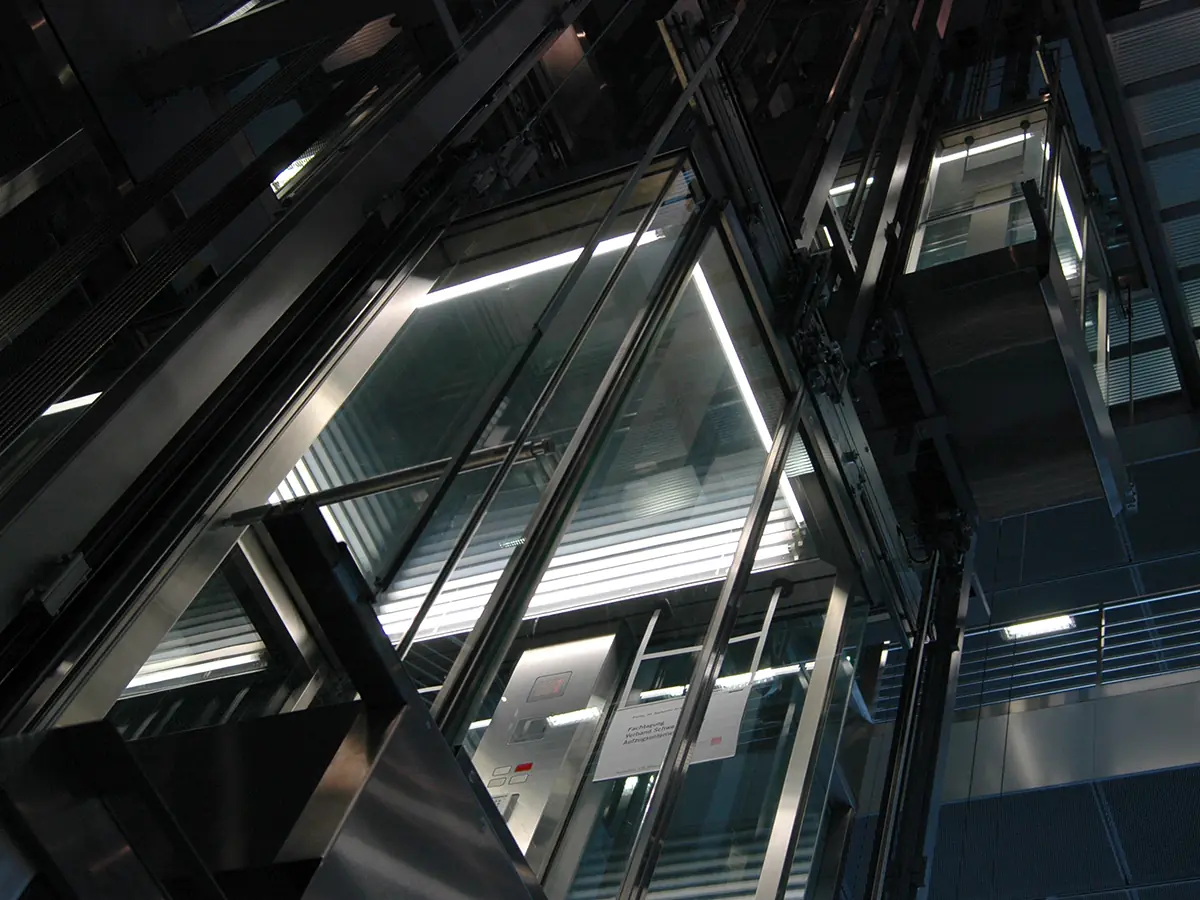
- Shaft drawing versus site. Compare the measured shaft against the approved drawing, not against the architect’s plan.
- Glass certificates. Laminated build-up, interlayer type and test reports, per panel type rather than per project.
- Car size against the glass weight. A larger cabin adds glass, and the extra weight belongs in the machine selection from the start.
- Door and frame interface. Confirm how the landing door frame meets the glass wall without a gap that shows daylight.
- Sealing and drainage. Outdoor cabins need a path for water and a seal that does not trap condensation between panes.
- Cleaning access. Ask how the outside face is reached, because a glass cabin that cannot be cleaned is a glass cabin that looks old in two years.
- Spare panels. Order one spare laminated panel in the same batch, since a later batch will not match the tint.
Each check is cheaper than the failure it prevents. A spare panel costs a fraction of a custom replacement, and a panoramic elevator manufacturer in China who resists adding one is telling you something about how the next five years will go.
Panoramic Elevator Lead Time and Site Sequence
Glass cabins sit at the long end of the production range because the panels are cut to the shaft and cannot be pulled from stock. A standard passenger model usually ships in 25 to 35 working days after drawing approval, while a curved-glass panoramic unit typically needs 30 to 40, and the difference is glass fabrication rather than the machine or the controller. A panoramic elevator manufacturer in China that runs its own glass line controls that wait; one buying panels from a third party does not, and the month it loses is invisible in the quotation.
The elevator lead time breakdown sets out the seven stages behind those numbers, and it is worth reading before you fix an opening date, because the same stage delays appear on every glass project: late drawing approval, a tint that needs its own batch, and a test slot that has to be rebooked after a failed safety gear check.
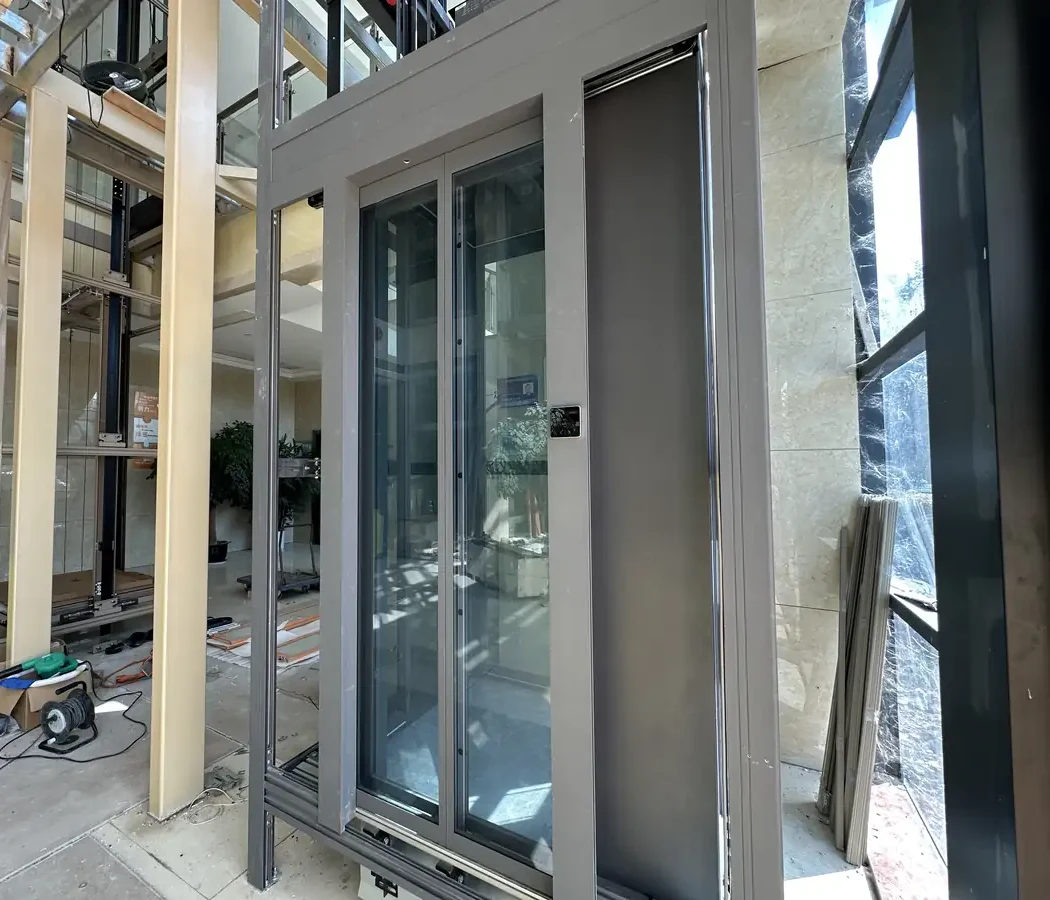
On site the sequence differs from a standard lift as well. The shaft glazing and the car glass are usually installed after the building envelope is closed, so a panoramic installation is scheduled behind the curtain wall rather than ahead of it, and a crane or scaffold plan is agreed with the panoramic elevator manufacturer in China before the crate is unpacked.
What Drives the Price of a Glass Cabin
Price differences between quotations for the same cabin almost always trace back to four items: glass build-up, frame fabrication, drive selection and certification. Curved panels sit at the top of the glass tier because each one needs its own mould and its own breakage allowance, while flat panels in a rectangular shaft sit in the middle. Stainless frames sit above powder-coated steel, and a machine sized for a heavier car sits above one sized for a standard cabin.
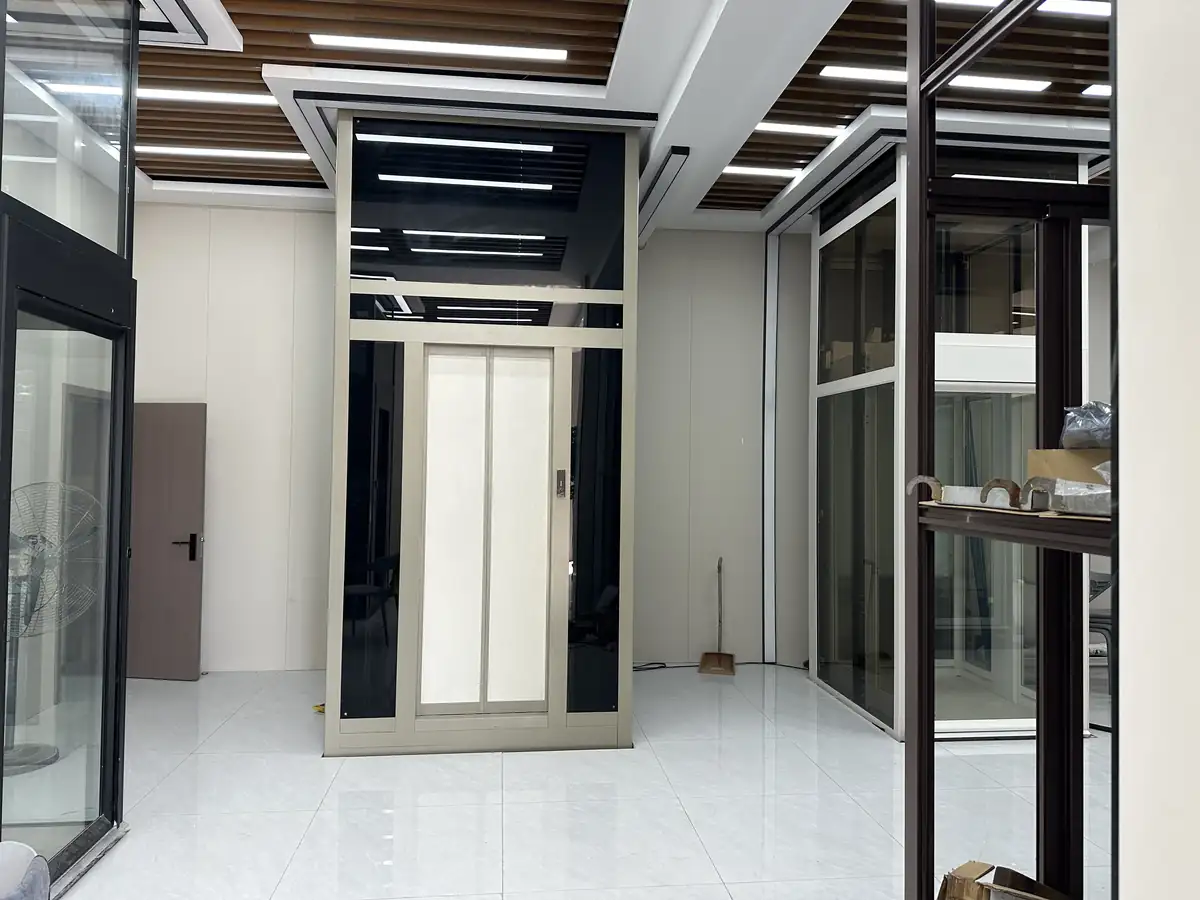
None of these tiers is a defect. The mistake is comparing a quote that includes the hoistway glazing with one that leaves it to the builder, because the second number is smaller and the project is not. Ask the panoramic elevator manufacturer in China which of the four tiers the quote assumes, and whether the answer changes if the shaft dimensions change by 100 mm.
How a Glass Cabin Ages: Five-Year Questions
Panoramic elevators are judged on how they look in year five, not on the day of handover. Four questions separate a cabin that still looks new from one that does not.
- Does the interlayer yellow? Standard PVB discolours under UV; a UV-stable grade or a laminated build-up specified for exterior exposure resists it.
- Does the frame corrode at the fixings? Dissimilar metals in a damp shaft produce the streaks that owners notice first; isolating washers are the cheap fix.
- Can the outside face be cleaned? A cabin reachable only from inside the car will be cleaned rarely, and the difference shows within two summers.
- Are spare panels still available? Tint batches change, so a five-year-old panel ordered today is a different colour from the wall it joins.
A panoramic elevator manufacturer in China who answers all four in writing is describing a product rather than a picture. Those answers, not the renderings, are what the building owner will live with.
Design Trends in Panoramic Elevators
Modern panoramic elevators are evolving beyond simple glass boxes. Design trends include panoramic curved glass, LED accent lighting in the shaft, transparent control panels, and customizable glass tints. Some manufacturers offer floor-to-ceiling panoramic cabins for maximum visual impact in high-end hotels and observation towers.
Performance Considerations
Panoramic elevators require careful engineering to balance aesthetics with performance. Glass thickness affects weight and drive system requirements. Hoistway sealing is critical for climate control and noise reduction. Ask about vibration damping systems for smooth, quiet operation.
Applications and Use Cases
Panoramic elevators excel in luxury hotels, high-end shopping malls, scenic observation towers, corporate headquarters, and premium residential buildings. The glass walls create a premium experience that adds architectural value to the building. In hotels, a panoramic elevator becomes a design feature that guests remember and share on social media.
Technical Challenges and Solutions
Panoramic elevators present unique engineering challenges: glass thickness must balance weight and safety, hoistway sealing prevents air leakage and noise, vibration damping ensures smooth ride quality, and thermal management maintains comfortable temperatures inside the glass cabin. Experienced manufacturers address these challenges with proven solutions.
Case Studies in Iconic Buildings
Panoramic elevators have become architectural features in iconic buildings worldwide: observation towers, luxury hotels, shopping malls, and corporate headquarters. These installations demonstrate how glass-walled elevators can transform vertical transportation from a utility into an experience. Chinese manufacturers have completed panoramic elevator projects in 60+ countries, showcasing design capabilities and engineering expertise.
Maintenance and Care
Panoramic elevators require regular maintenance to keep the glass clean and clear. Manufacturers provide cleaning protocols, glass treatment options, and replacement procedures. Some modern panoramic elevators include self-cleaning glass coatings or integrated cleaning systems that reduce maintenance frequency and costs.
[…] at the same time as the elevator shaft dimensions, because both are drawn on the same section. The glass specification behind a panoramic cabin is the other half of that drawing, and it is cheaper to fix before the shaft is cast than after the […]
[…] the full envelope set out in our home elevator shaft dimensions guide. If the car is glazed, read how a glass cabin is quoted and built before the car size is fixed, because the wall build-up and the frame depth both eat into the […]
[…] Panoramic and observation elevators – glass cars that turn the ride itself into an experience for hotels, malls, showrooms and atriums. Explore panoramic elevators. For supplier selection, see our guide to a panoramic elevator manufacturer in China. […]
[…] residential job the same effect is available from cluster factories at a fraction of the price, and panoramic elevator supply from China now covers curved and semi-outdoor cars as standard ranges rather than one-off […]